Equatorial Guinea faces unique architectural challenges due to its equatorial climate, characterized by heavy precipitation and high humidity. Traditional masonry often suffers from dampness and mold, driving a critical need for advanced Insulated glass and moisture-resistant cladding to maintain indoor air quality.
The rapid urbanization in Malabo has increased the demand for rapid-deployment solutions. However, the local market has historically relied on imported generic materials that lack the specific thermal break properties required to reduce energy consumption from air conditioning in tropical zones.
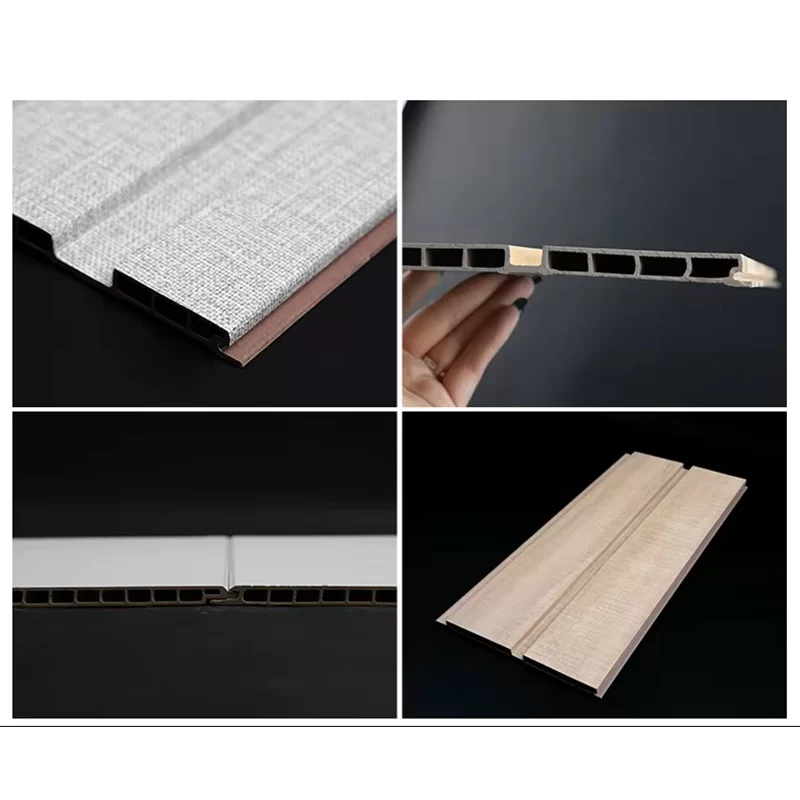
Currently, there is a shift toward high-precision Extrusion profile systems that allow for better ventilation and structural integrity, reducing the long-term maintenance costs associated with salt-air corrosion in coastal regions.