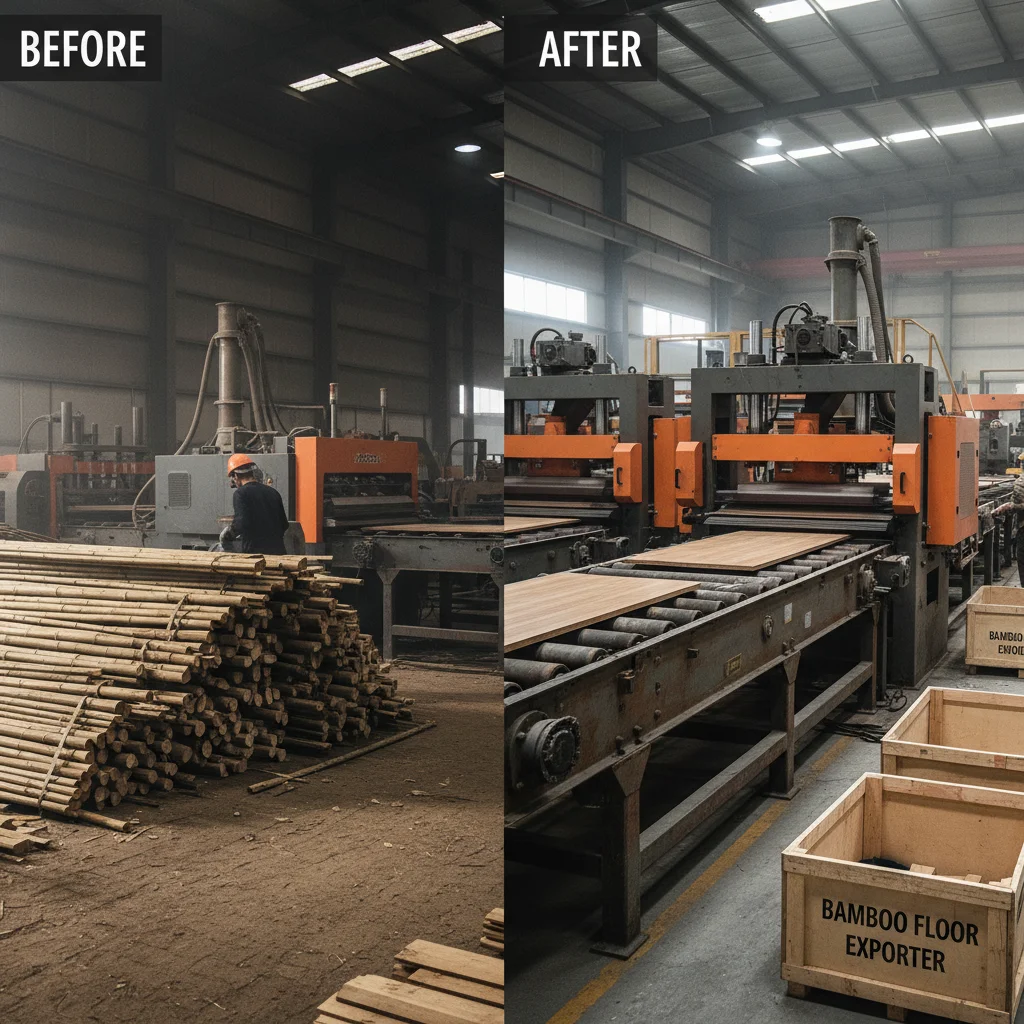
Selecting a reliable Fireproof floor Exporter is no longer just about sourcing a product; it is about mitigating systemic risk in commercial and residential construction. As fire safety regulations tighten globally, the demand for high-performance, fire-retardant flooring materials has shifted from a niche requirement to a mandatory baseline for architectural compliance.
The complexity of sourcing these materials lies in the balance between aesthetic flexibility and structural integrity. Whether utilizing advanced Medium-Density Fiberboard (MDF) with fire-proof treatments or specialized decorative boards, procurement officers must navigate a maze of international certifications, emission standards, and material densities to ensure long-term safety.
This guide examines the technical benchmarks and procurement strategies essential for identifying a high-capacity supplier capable of delivering certified fireproof flooring solutions that meet the rigorous demands of modern urban infrastructure.

The Evolution of Fire-Retardant Flooring Standards

Historically, fireproofing was viewed as a separate additive layer applied to flooring. However, the industry has moved toward integrated material engineering where the core substance—such as wood fiber—is treated during the pressing process to ensure uniform fire resistance throughout the panel's thickness.
Modern standards like EN 622-5 and GB/T 11718 now dictate not only how a material reacts to an open flame but also its smoke toxicity and the rate of heat release. For those seeking a Fireproof floor Exporter, verifying these specific certifications is the only way to ensure the material will pass local building inspections.
This shift has forced manufacturers to optimize the chemical composition of adhesives and fibers, moving toward E0 and E1 grade eco-friendly glues that provide fire retardation without compromising indoor air quality through formaldehyde emissions.
Technical Core of Fireproof MDF and Board Solutions
High-performance fireproof flooring often relies on the precision of the production line. Using advanced systems like the Dieffenbach Continuous Press, manufacturers can achieve a consistent density range of 650 to 850 kg/m³, which is critical for preventing the rapid spread of fire through porous gaps in the material.
The integration of fire-retardant agents into the wood fiber matrix reduces the combustion rate. When paired with a high-gloss or melamine finish, the surface not only becomes aesthetically pleasing but also provides an additional barrier that slows down oxygen penetration during a thermal event.
Furthermore, the ability to customize thickness from 2.5mm to 25mm allows architects to layer fireproof boards for increased protection in high-traffic commercial zones while maintaining a modern, slim profile in residential settings.
High-Risk Application Scenarios for Fireproof Flooring
In hotel environments, fireproof flooring is a non-negotiable requirement for corridors and guest rooms. The high density of people and the presence of electrical equipment make these areas prone to rapid fire spread, necessitating materials that can withstand heat without warping or cracking.
Beyond hospitality, commercial office spaces and public institutions utilize these boards for wall cladding and ceiling moldings. By using fire-proof MDF, developers can achieve a high-end wooden aesthetic while fulfilling strict fire safety codes that would otherwise require the use of less attractive concrete or steel.
Industrial and office supplies sectors also benefit from these materials in the creation of sound equipment enclosures and specialized furniture, where the combination of sound absorption and fire resistance is essential for operational safety.
Comparative Analysis of Fire-Resistance Performance
Evaluating the performance of a Fireproof floor Exporter requires looking at empirical data regarding thermal stability and smoke emission. Standard wood-based floors often fail quickly under intense heat, whereas treated fiberboards maintain structural integrity for significantly longer durations.
The following data represents the relative efficiency of fire-retardant boards compared to untreated industry benchmarks across five critical safety metrics.
Fireproof floor Exporter Performance Metrics
The data suggests that integrated fireproofing not only slows the flame spread but significantly reduces the volatility of the material under extreme temperature fluctuations, ensuring that evacuation routes remain viable for longer periods.
Strategic Procurement Factors for Global Importers
When auditing a potential supplier, the most critical factor is the transparency of their supply chain. A reputable exporter should provide detailed specifications on glue grades (E0, E1, or CARB P2) and the origin of the wood fibers to ensure that the fireproof properties are consistent across all batches.
Logistics also play a key role. Because fire-resistant boards are dense (up to 850kg/m³), shipping costs and palletization strategies are significant. Choosing a partner who understands international export packaging—such as standard export pallet packaging for 40HQ containers—reduces the risk of edge damage during transit.
Finally, buyers should assess the manufacturer's engineering capabilities, including 3D modeling and graphic design, to ensure that the customized dimensions of the flooring fit the specific architectural requirements of the project.
Emerging Trends in Eco-Friendly Fire-Proof Materials
The future of fireproof flooring is leaning heavily toward the intersection of safety and sustainability. There is a growing trend toward using 100% log-derived fibers with zero impurities, which enhances the natural structural stability of the board and reduces the reliance on synthetic fillers.
Innovation in bio-based fire retardants is likely to reduce the chemical footprint of these materials further. We may see a transition toward adhesives that are not only low-formaldehyde but entirely biodegradable, while maintaining the same fire-resistance ratings required by urban building codes.
Additionally, the integration of digital tracking for the entire order cycle allows importers to verify the compliance and quality assurance of their fireproof materials in real-time, increasing trust and reducing the need for repetitive on-site inspections.
Material Selection Matrix for Specialized Flooring
Choosing the right fireproof flooring requires a nuanced understanding of the trade-offs between moisture resistance, fire rating, and surface finish. Different environments demand different technical priorities.
The table below provides a decision-making framework for selecting the appropriate board type based on the specific requirements of the installation site.
| Board Variant | Primary Advantage | Optimal Use Case | Technical Limit |
|---|---|---|---|
| Fire-Proof MDF | High Flame Retardancy | Hotel Corridors | Moderate Moisture Sensitivity |
| Moisture-Proof MDF | Hydrophobic Core | Kitchen/Bathroom | Lower Fire Rating than FP |
| Melamine Faced | Surface Durability | Commercial Offices | Rigid Design Flexibility |
| High-Density (HDF) | Extreme Load Bearing | Heavy Traffic Zones | Higher Material Cost |
| Polyester MDF | Premium Aesthetics | Luxury Retail | Longer Production Lead Time |
| Raw Sanded MDF | Easy Customization | Custom Furniture | Requires Secondary Coating |
By aligning the material variant with the environmental stress factors, procurement managers can optimize costs without compromising the safety standards defined by their Fireproof floor Exporter.
Frequently Asked Questions
Conclusion
Navigating the complexities of fire-resistant materials requires a strategic partnership with a supplier who prioritizes technical precision over simple volume. By focusing on material density, certification accuracy, and eco-friendly adhesive standards, importers can secure flooring solutions that protect both the occupants and the long-term value of the property.
For professionals evaluating the technical specifications and sourcing capabilities of a high-capacity Fireproof floor Exporter, more detailed product range and corporate information can be found through www.wbxbuilding.com.