28 January 2026
Wall decoration is one of the most impactful aspects of interior design. It determines not only the visual atmosphere of a space but also influences comfort, durability, maintenance costs, and even indoor environmental quality. However, choosing between wallpaper, wallcloth, and wall panels can be challenging. Each material has uniquefeatures, advantages, and limitations. Making the right decision requires understanding aesthetic expectations, functional needs, budget planning, and long-term performance.
As a new force in China’s building materials export industry, Shanghai Weibangxun International Trade Co., Ltd. provides professional sourcing and global trade services, helping overseas customers select the most suitable wall decoration solutions while ensuring stable supply and competitive pricing.
Wallpaper: Affordable and Versatile
Wallpaper has long been a popular wall finishing material due to its affordability and design flexibility. It offers a wide variety of patterns, textures, and colors—from minimalist solid tones to complex artistic prints. For property developers or apartment owners seeking quick upgrades, wallpaper provides a fast and cost-effective solution.
Advantages of Wallpaper:
Wide range of decorative styles
Lower initial material cost
Quick installation process
Easy replacement during renovation cycles
However, wallpaper may have limitations in high-humidity environments. In areas such as kitchens or bathrooms, moisture exposure can cause peeling or bubbling. Additionally, long-term durability may not match more advanced wall systems. For short-term rental projects or budget-sensitive renovations, wallpaper remains an efficient choice, but for high-end or long-term applications, other materials may be more suitable.
Wallcloth: Enhanced Texture and Durability
Wallcloth represents an upgraded alternative to traditional wallpaper. Made from textile-based materials, wallcloth offers a thicker structure, improved durability, and better resistance to minor surface damage. It delivers a more refined and premium appearance, making it popular in boutique hotels, luxury apartments, and commercial spaces.
Advantages of Wallcloth:
Superior texture and depth
Improved scratch resistance
Better sound absorption performance
Enhanced overall durability
Wallcloth provides a warm and elegant atmosphere, particularly suitable for hospitality and high-end residential projects. However, installation requires professional craftsmanship to ensure smooth alignment and tight seams. The material cost is typically higher than wallpaper, which may increase overall project budgets.
Wall Panels: Modern Integrated Solutions
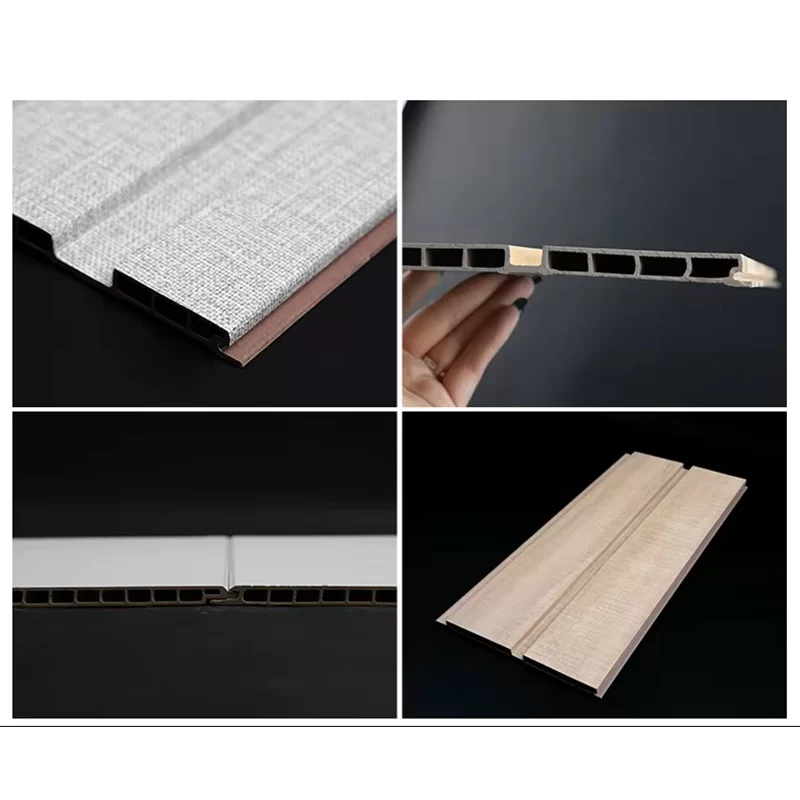
Wall panels represent the most advanced and structurally integrated wall decoration option. Unlike wallpaper or wallcloth, panels are modular systems that combine decorative finishes with structural functionality. They offer long-term stability, insulation performance, and easier maintenance.
High-end wall panels include environmentally friendly options such as ENF-grade eco-panels with ultra-low formaldehyde emissions, meeting strict environmental standards in global markets.
Advantages of Wall Panels:
Strong structural stability
Moisture and impact resistance
Fire-retardant options
Improved thermal and sound insulation
Easy cleaning and maintenance
Long service life
Wall panels are increasingly favored in residential villas, commercial office buildings, healthcare facilities, and educational institutions where durability and health safety are critical. Although the initial investment is higher, the long-term performance and reduced maintenance costs often provide better overall value.
Choosing Based on Application
Selecting the right wall material depends largely on the project type and budget considerations.
Rental apartments: Wallpaper is ideal due to its cost efficiency and ease of replacement between tenants.
Boutique hotels and premium apartments: Wallcloth offers enhanced texture and an upscale appearance.
Residential villas and long-term housing: Integrated wall panels provide durability, insulation, and environmental safety.
Commercial offices: Panels ensure durability in high-traffic environments.
Healthcare and education projects: Eco-friendly wall panels support stricter indoor air quality requirements.
A strategic material selection helps reduce renovation frequency, improve user experience, and enhance property value.
Environmental Considerations and Global Standards
With growing global attention to indoor air quality and sustainability, environmental performance has become a decisive factor in material selection. Some traditional wallpaper products may involve adhesives with higher emissions, while advanced wall panels increasingly comply with stricter standards.
International buyers, particularly in Europe, North America, and parts of Asia-Pacific, are prioritizing low-emission decorative materials. Wall panels with higher environmental certifications provide competitive advantages in these regulated markets.
Professional Trade Support from Shanghai
Beyond product selection, global buyers require reliable logistics, quality inspection, documentation accuracy, and customs compliance. This is where Shanghai Weibangxun International Trade Co., Ltd. plays a crucial role.
Rooted in Shanghai’s global trade hub and supported by the policy advantages of the China (Shanghai) Pilot Free Trade Zone, the company leverages:
Efficient international port logistics
Optimized export tax policies
Mature cross-border settlement systems
Strong supply chain integration within the Yangtze River Delta
By integrating manufacturing clusters and international trade expertise, the company provides competitive sourcing channels for wallpaper, wallcloth, and wall panel categories.
Cost vs Long-Term Value
When comparing these three materials, it is essential to look beyond initial purchase price.
Wallpaper: Lowest upfront cost, higher replacement frequency.
Wallcloth: Moderate cost, balanced durability and aesthetics.
Wall Panels: Higher initial investment, strongest long-term value.
For developers planning long-term property management, investing in durable materials can significantly reduce lifecycle costs.
Conclusion
Understanding the differences between wallpaper, wallcloth, and wall panels helps avoid costly mistakes in interior decoration projects. Each option serves specific needs depending on budget, durability expectations, and environmental standards.
With Shanghai-based trade advantages, strong supply chain integration, and a clear focus on building materials export, Shanghai Weibangxun International Trade Co., Ltd. stands ready to support overseas partners in making informed, value-driven decisions. By connecting global demand with reliable Chinese manufacturing resources, the company ensures that clients receive not only the right materials—but also the right long-term solutions.


Hit enter to search or ESC to close