16 April 2026
In the modern era of eco-conscious construction, cork flooring has emerged as a premier choice for those seeking a balance between luxury, comfort, and environmental responsibility. Finding a reliable Cork floor Exporter is the first and most critical step in ensuring that your project receives high-grade, sustainably sourced materials. Whether you are designing a commercial office space or a cozy residential living room, the quality of the cork determines the longevity and acoustic performance of the floor. This guide will explore the essential factors to consider when partnering with an exporter and why cork remains a top-tier choice for green building.
Sustainability is not just a buzzword; it is the core of cork production. A professional Cork floor Exporter ensures that the bark is harvested without harming the tree, allowing the cork oak to continue absorbing carbon dioxide from the atmosphere. This regenerative process makes cork one of the most renewable resources on the planet. Furthermore, high-quality cork floors are naturally hypoallergenic and antimicrobial, reducing the need for harsh chemical cleaners in the home. By selecting a certified exporter, you guarantee that the products meet international environmental standards, such as FSC certification, ensuring your supply chain is ethical and green.
Sustainability Fact: Cork oak trees can live for over 200 years, and the bark can be harvested every nine years without ever cutting down the tree, making it a truly circular material.
Not all cork floors are created equal. Depending on the application, you may need different structures. Your Cork floor Exporter will typically offer several variations, from traditional glued-down planks to modern click-lock systems. While traditional cork offers a seamless look, click-lock options provide faster installation and easier replacement. Understanding the density and finish—whether it's a natural wax or a high-performance polyurethane—is key to ensuring the floor withstands heavy foot traffic. The following comparison helps distinguish between the most common options available in the market.
When evaluating a quote from a Cork floor Exporter, it is vital to look beyond the aesthetics and analyze the technical data. High-density cork is essential for areas with high traffic to prevent premature wearing. Additionally, the thickness of the wear layer determines how many times the floor can be sanded and refinished over its lifetime. Most professional exporters provide a detailed specification sheet to ensure the product aligns with the architectural requirements of the building.
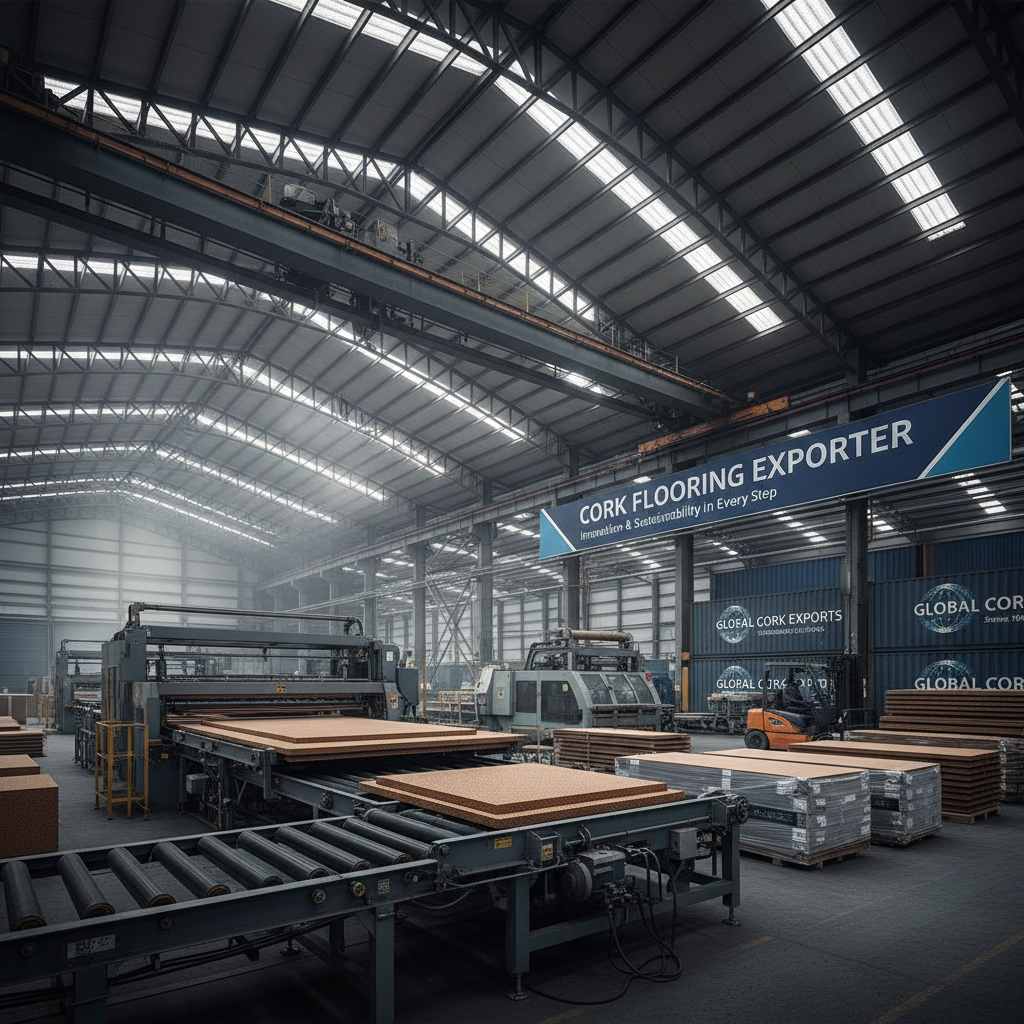
Shipping delicate organic materials across borders requires precision. A seasoned Cork floor Exporter utilizes specialized packaging to prevent moisture ingress and physical damage during transit. Quality control starts at the factory, where each batch is inspected for color consistency and structural integrity. From the choice of shipping containers to the accuracy of the customs documentation, the exporter plays a vital role in ensuring that the product arrives at your site in pristine condition, ready for installation without delays.
Once your shipment from the Cork floor Exporter is installed, proper maintenance is essential to preserve its beauty. Cork is naturally soft, so using felt pads under furniture is highly recommended to avoid deep indentations. Regular cleaning should be done with a damp mop and pH-neutral cleaners, avoiding excessive water which can seep into the seams. For high-traffic areas, a fresh coat of sealant every few years will keep the surface protected against spills and scratches, ensuring the floor remains a centerpiece of your interior design for decades.
The trend toward "Biophilic Design"—integrating nature into built environments—has catapulted cork flooring into the spotlight. Architects are now using cork not just for its warmth, but for its acoustic properties that create a calm, quiet atmosphere in open-plan offices and libraries. By collaborating with an expert Cork floor Exporter, designers can specify customized colors and textures that blend seamlessly with concrete, glass, and steel. This juxtaposition of organic and industrial materials creates a sophisticated, modern aesthetic that promotes well-being and productivity.
Choosing the right Cork floor Exporter is the key to unlocking the full potential of one of nature's most versatile materials. From ensuring a sustainable supply chain to providing high-performance technical specifications, a professional partner ensures your flooring is an investment in both style and planet health. Whether you prioritize acoustic insulation, underfoot comfort, or ecological certification, cork delivers on all fronts. Invest in quality, choose sustainability, and transform your interior with the timeless elegance of cork.
To verify the quality of an exporter, first request their certifications, such as FSC (Forest Stewardship Council) for sustainability or ISO standards for quality management. Ask for detailed technical data sheets that specify the density and VOC emissions of their products. A reputable exporter will be transparent about their sourcing and provide samples so you can test the material's hardness and finish. Additionally, checking client testimonials and previous project portfolios can provide insight into their reliability and the long-term performance of their cork flooring in various climates.
Yes, cork can be used in kitchens and bathrooms, provided it is properly sealed. While raw cork is naturally water-resistant due to suberin, a professional sealer applied by a high-quality Cork floor Exporter creates a protective barrier against liquid penetration. For these areas, we recommend choosing a high-density cork with a polyurethane finish or a click-lock system with an integrated moisture barrier. It is important to wipe up spills promptly to prevent moisture from seeping into the seams over time.
Actually, cork is naturally resistant to pests. The substance suberin, which makes cork waterproof, also makes it unattractive to most insects and rodents. Unlike some softwoods that may attract termites, cork's unique chemical composition acts as a natural deterrent. When sourced from a professional exporter, the material is processed and treated to ensure it is free from any organic contaminants, making it a safe and hygienic choice for residential and commercial environments alike.
Cork is significantly more comfortable than laminate. While laminate is essentially a hard plastic layer over a fiberboard core, cork is composed of millions of tiny air-filled cells. This creates a natural "spring" or cushion underfoot, which reduces joint strain and fatigue, making it ideal for people who spend long hours standing. Furthermore, cork provides superior thermal insulation, meaning it stays warm in the winter, whereas laminate can often feel cold and hard without an expensive underlayment system.


Hit enter to search or ESC to close