Finland HighPerformance Insulated glass Solutions

Advanced Insulated glass Solutions for Finland's Extreme Climate

Integrating high-performance thermal insulation and acoustic engineering to meet the rigorous Nordic building standards for energy efficiency and sustainability.

Advanced Insulated glass Solutions for Finland's Extreme Climate

Our comprehensive building material suite is specifically engineered for the Finnish market, focusing on thermal retention, noise reduction, and structural durability against severe frost and humidity.

Current State of Non-Metallic Building Materials in Finland

Navigating the balance between traditional Nordic architecture and modern energy mandates.

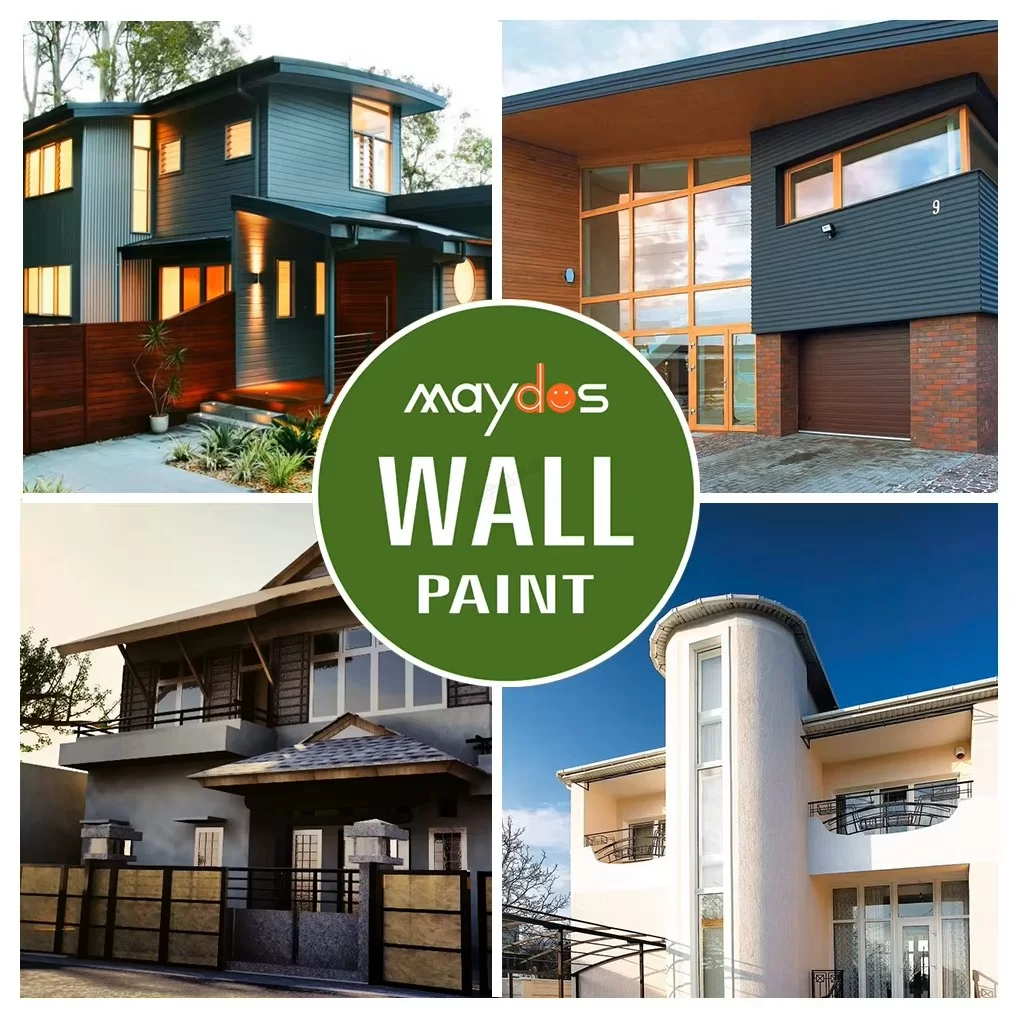
In Finland, the construction industry is heavily influenced by the subarctic climate, where extreme temperature fluctuations demand superior thermal envelopes. There is a critical demand for high-grade Exterior wall panel systems that can prevent heat leakage during winter while resisting moisture ingress during the autumn rains.

The urban landscape, particularly in Helsinki and Espoo, is seeing a surge in sustainable renovation projects. This has led to an increased adoption of Soundproof panel technologies to manage noise pollution in high-density residential areas, blending acoustic comfort with the aesthetic of minimalist Nordic design.

Furthermore, the Finnish market is shifting toward circular economy principles. The use of precision-engineered Extrusion profile components has become essential for creating airtight seals in windows and doors, directly contributing to the national goal of carbon neutrality by 2035.
Evolution of Architectural Materials in Northern Europe

From heavy mineral wool to smart, composite building systems.

Market Development History

Prior to the 1990s, the Finnish market relied heavily on traditional masonry and thick timber. Insulation was primarily achieved through bulk mineral fibers, which often suffered from degradation due to the high humidity levels common in coastal regions.

Between 2000 and 2015, the industry transitioned toward composite materials. The introduction of argon-filled Insulated glass revolutionized the energy profile of Finnish homes, significantly reducing the reliance on electric heating during the "Kaamos" (polar night).

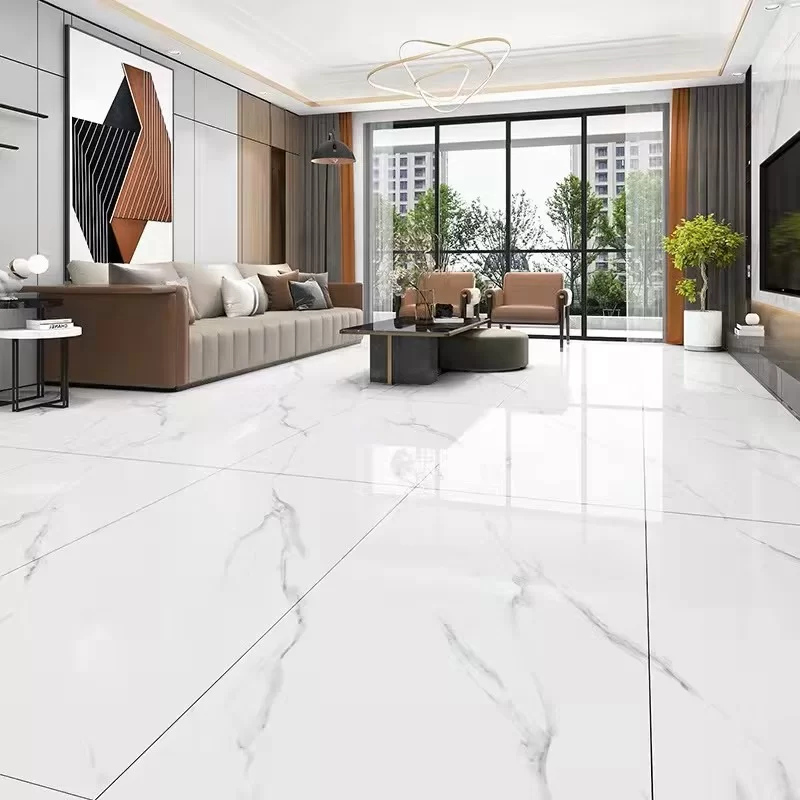
Since 2016, the focus has shifted to systemic integration. Modern builds now combine multi-layered wall systems with high-density Indoor flooring that offers both thermal conductivity for underfloor heating and superior durability for heavy usage.

Future Development Trends

Dynamic Thermal Adaptation

Integration of phase-change materials within wall panels to absorb and release heat dynamically, reducing peak energy loads in winter.

Zero-Emission Material Sourcing

A shift toward bio-based resins in extrusion processes to lower the embodied carbon footprint of structural frames.

Acoustic Intelligence

Development of adaptive sound-absorbing surfaces that can be tuned to specific frequency ranges for professional studio and office environments.

Industry Trends and Future Outlook

Strategic forecasting based on European Green Deal and Nordic building trends.

Ultra-Low U-Value Standards
Stricter EU regulations are pushing for vacuum-insulated panels and triple-pane glass to minimize thermal bridges.
Prefabricated Modularization
Shift toward off-site manufacturing of wall assemblies to reduce waste and construction time during short Finnish summers.
Smart Glass Integration
Implementation of electrochromic glass to control solar gain during the intense summer midnight sun.
Sustainable Polymers
Development of recycled thermoplastic profiles to satisfy the stringent Finnish environmental certification (Svanen).

Industry Outlook

The Finnish construction sector is moving toward "Active Houses" that produce more energy than they consume. This requires a paradigm shift in non-metallic materials, where components no longer just serve as barriers but act as energy-harvesting or storage systems.

We anticipate a 15% growth in the demand for high-performance composites over the next 3-5 years, driven by the necessity to retrofit older housing stocks to meet the updated EU Energy Performance of Buildings Directive (EPBD).

Localized Application Scenarios in Finland

Practical implementation of our materials across diverse Finnish architectural needs.

01. Lapland Arctic Lodges

Deployment of heavy-duty Exterior wall panel systems combined with triple-glazed glass to maintain indoor temperatures of 22°C while outside temperatures drop to -30°C.

02. Helsinki Modern Office Hubs

Installation of high-performance Soundproof panel arrays in open-plan offices to ensure privacy and acoustic focus in the city's burgeoning tech districts.

03. Espoo Residential Complexes

Utilization of durable Indoor flooring specifically optimized for compatibility with radiant floor heating, ensuring energy-efficient warmth throughout the winter.

04. Industrial Warehousing in Tampere

Implementation of custom Extrusion profile frameworks for rapid assembly of weather-tight loading bays and specialized storage facilities.

05. Sauna Complex Modernization

Integration of moisture-resistant Insulated glass in sauna viewing areas, combining thermal safety with high-transparency views of the Finnish landscape.

Brand Story

Global Development Journey of Shanghai Xinshengyuan International Trade Co., Ltd.

Foundation and Core Vision

Established with a mission to bridge the gap between high-capacity manufacturing and the stringent quality demands of the global building material market.

Technical Breakthroughs

Developed proprietary composite formulations that solve the common industry pain point of material brittleness in ultra-low temperature environments.

European Market Entry

Expanded operations into Europe, aligning production standards with CE certifications and Nordic energy efficiency protocols.

Sustainability Pivot

Invested in green manufacturing lines to reduce carbon emissions, ensuring our materials contribute to LEED and BREEAM certified projects.

Global Leadership

Now recognized as a premier partner for non-metallic architectural solutions, serving complex projects across the Nordic and Baltic regions.

Frequently Asked Questions for Finnish Clients

Expert answers to technical queries regarding non-metallic building materials in the Nordics.

How do your soundproof panels perform in high-humidity coastal areas of Finland?

Our panels are treated with hydrophobic coatings that prevent moisture absorption, ensuring that acoustic performance remains stable even in humid maritime climates.

What is the U-value of your insulated glass for arctic residential use?

We provide triple-pane options with low-E coatings and argon filling, achieving U-values as low as 0.6 W/m²K, exceeding standard Finnish building codes.

Can exterior wall panels handle the rapid freeze-thaw cycles in Spring?

Yes, our panels utilize flexible composite binders that allow for thermal expansion and contraction without cracking, specifically tested for Nordic climate cycles.

Are the extrusion profiles compatible with standard Finnish window frames?

Our profiles are manufactured to international ISO standards and can be customized to fit any specific architectural dimension required by Finnish contractors.

Is your indoor flooring suitable for high-intensity underfloor heating systems?

Absolutely. Our flooring materials feature high thermal conductivity and a low coefficient of expansion, preventing warping during active heating periods.

What certifications do your materials hold for the Finnish market?

Our products are CE certified and meet the strict environmental and safety standards required for distribution and installation across Finland and the EU.

Request a Technical Consultation

Partner with the leading provider of architectural materials to optimize your next project in Finland.

Contact Us Now

If you are interested in our products, you can choose to leave your information here, and we will be in touch with you shortly.