Advanced Insulated glass Solutions for Japan’s Modern Architecture

Advanced Insulated glass Solutions for Japan's Modern Architecture

Integrating high-performance thermal insulation and acoustic control to meet the rigorous energy standards and urban density of the Japanese building sector.

Advanced Insulated glass Solutions for Japan's Modern Architecture

Providing cutting-edge building materials engineered for the Japanese market, focusing on seismic resilience, thermal efficiency, and urban sound mitigation.

The Current State of Building Materials in Japan

Addressing the challenges of extreme humidity, seismic activity, and dense urban living.

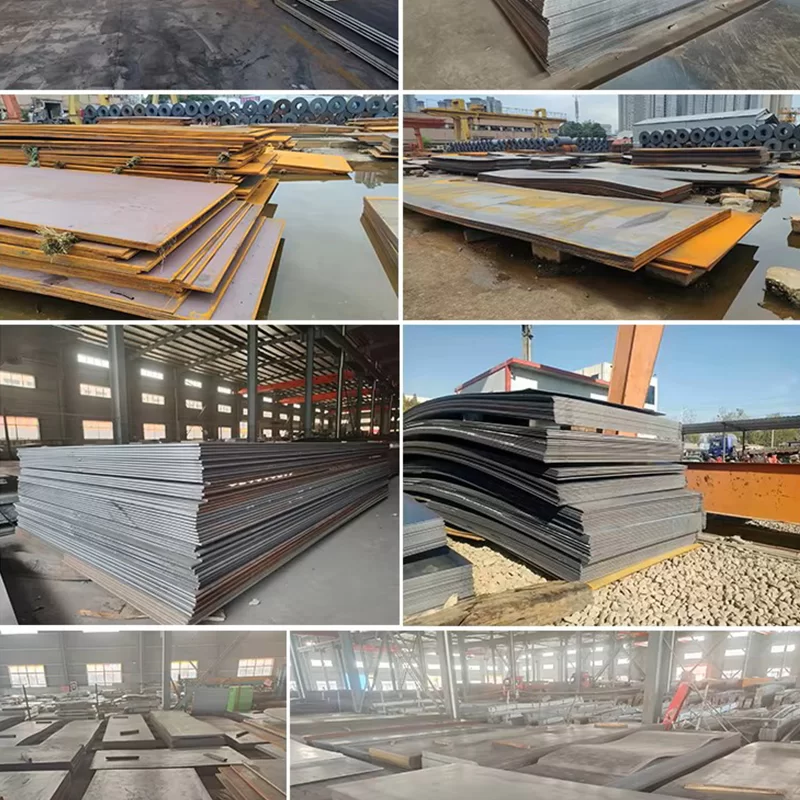
Japan's construction industry is currently defined by a strict adherence to the ZEH (Net Zero Energy House) standards. In cities like Tokyo and Osaka, the demand for high-performance Soundproof panel systems has surged due to the proximity of residential zones to commercial hubs and railway lines.

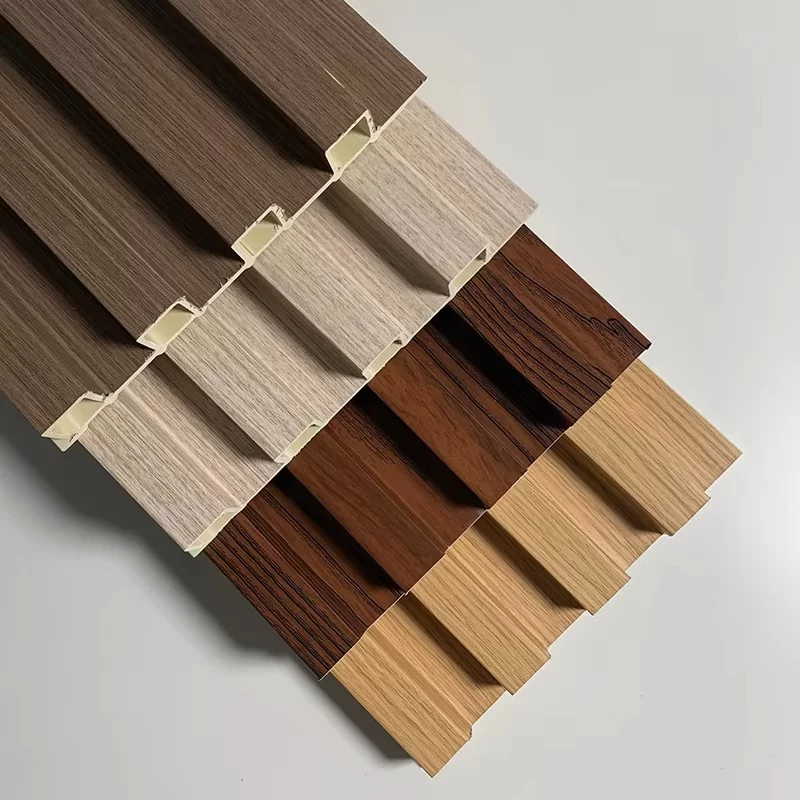
Climate volatility, characterized by hot, humid summers and freezing winters in the north, necessitates the widespread adoption of high-efficiency Exterior wall panel solutions. These materials must not only provide thermal insulation but also withstand the corrosive effects of salt-laden air in coastal regions.

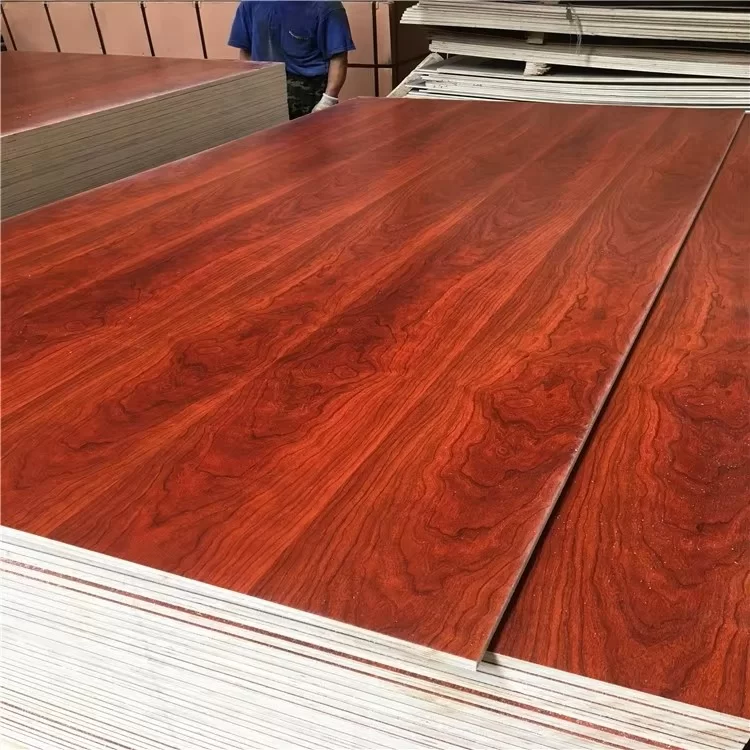
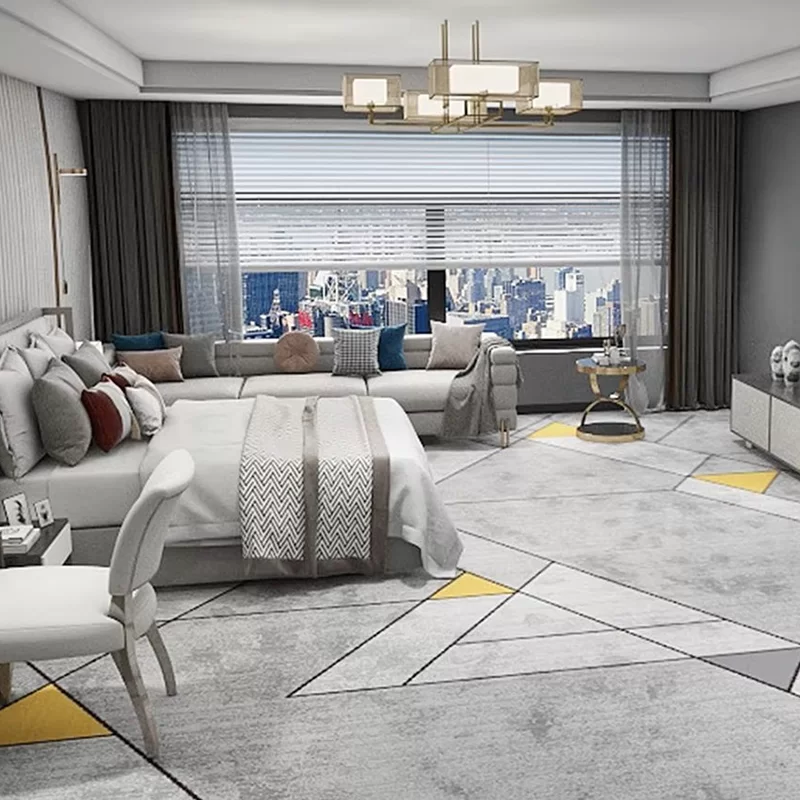
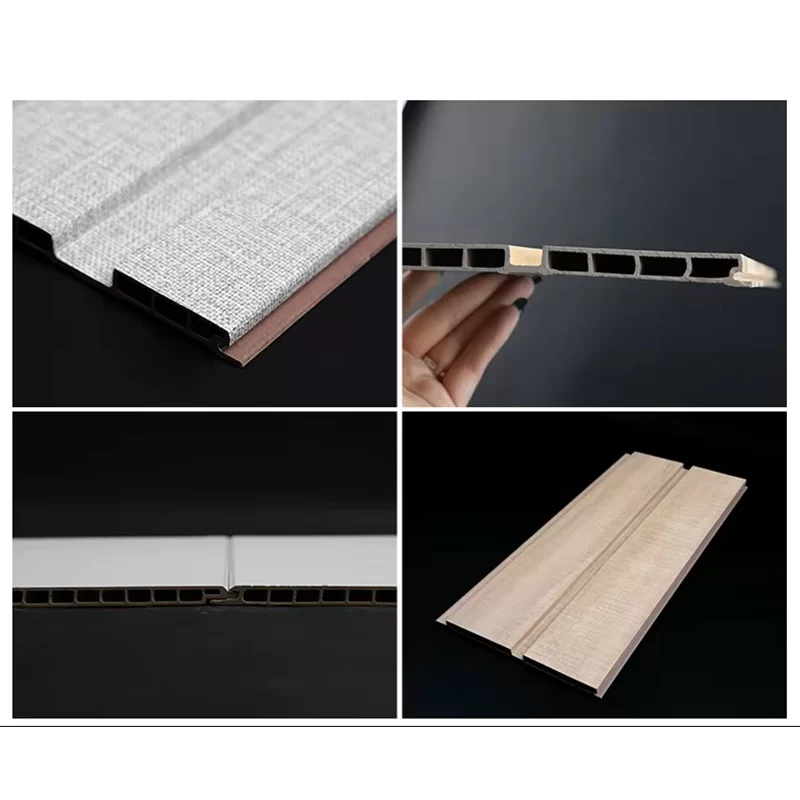
Furthermore, the Japanese market prioritizes longevity and precision. The use of customized Extrusion profile components allows for the airtight sealing required to prevent energy leakage, while high-density Indoor flooring is essential for maintaining indoor air quality and comfort in multi-story wooden and concrete structures.
Technical Evolution and Development Trajectory

From traditional timber-based insulation to advanced composite mineral products.

Market Development History

In the late 20th century, Japanese construction relied heavily on traditional materials and basic glass. However, the 1990s saw a shift toward prefabricated modularity, introducing standardized profiles to speed up urban reconstruction.

By the 2010s, the focus shifted toward "Green Building" certifications. This era marked the transition from single-pane windows to vacuum-sealed glass and the introduction of high-performance polymer-based panels for better moisture control.

Currently, the industry has entered the "Smart Material" phase, where non-metallic mineral products are engineered at the molecular level to provide superior fire resistance and seismic damping, integrating aesthetics with extreme durability.

Future Development Trends

AI-Driven Thermal Optimization

Integration of sensors within panels to dynamically adjust thermal conductivity based on real-time external temperature data in Japanese cities.

Bio-Composite Mineralism

A shift toward carbon-neutral mineral products that reduce the embodied energy of construction while maintaining structural integrity.

Acoustic Intelligence

Development of adaptive sound-absorbing materials that target specific frequency ranges common in high-density urban environments.

Industry Trends and Future Outlook

Analyzing the trajectory of non-metallic mineral building materials through 2030.

Net-Zero Integration
Alignment with Japan's 2050 carbon neutrality goal through ultra-low U-value materials.
Seismic Adaptation
Development of flexible mineral composites that absorb shock during tectonic events.
Urban Noise Mitigation
Increasing demand for multi-layered acoustic barriers in residential skyscrapers.
Modular Prefabrication
Reducing construction waste via precision-engineered off-site mineral components.

Industry Outlook

Google search trends indicate a rising interest in "Eco-friendly building materials Japan" and "Energy saving renovation." This suggests that the market is moving away from new builds and toward the sustainable upgrading of existing infrastructure.

The next 3-5 years will likely see a convergence of material science and IoT, where the building envelope becomes an active participant in energy management, reducing dependence on HVAC systems.

Localized Application Scenarios in Japan

Real-world implementations of high-performance building materials.

01. Tokyo High-Rise Residential Complexes

Utilizing Soundproof panel systems to ensure privacy and quiet in ultra-dense urban corridors where noise pollution is a critical concern.

02. Hokkaido Energy-Efficient Housing

Implementing triple-layered Insulated glass to combat sub-zero temperatures and reduce heating costs in northern regions.

03. Coastal Industrial Facilities in Nagoya

Applying corrosion-resistant Exterior wall panel solutions that withstand salt spray and high humidity without degrading.

04. Kyoto Traditional-Modern Hybrid Renovations

Integrating discreet Extrusion profile frames to modernize old Machiya houses while preserving their historical aesthetic.

05. Osaka Commercial Office Hubs

Installing heavy-duty, antimicrobial Indoor flooring designed for high foot traffic and rigorous hygiene standards.

Brand Story

Global Development History of Shanghai Xinshengyuan International Trade Co., Ltd.

Foundational Excellence

Established as a specialist in non-metallic mineral products, focusing on solving the durability gap in early industrial building materials.

Technological Pivot

Invested in advanced R&D to create materials specifically tailored for high-seismic zones, marking our entry into the Asian architectural market.

Global Expansion

Expanded trade networks to Japan and Europe, aligning our manufacturing standards with international ISO and energy-efficiency certifications.

Sustainable Innovation

Launched a line of recycled mineral composites, reducing the carbon footprint of the global construction supply chain.

Vision 2030

Committed to leading the transition toward intelligent building envelopes that harmonize human comfort with planetary health.

Common Questions for Japan's Building Materials Sector

Expert answers to technical and regulatory queries regarding modern construction materials.

How do soundproof panels meet Tokyo's strict urban noise regulations?

Our panels utilize multi-layered mineral densities that specifically target low-frequency urban vibrations and high-frequency traffic noise, ensuring compliance with local noise pollution laws.

What is the thermal efficiency of insulated glass in Hokkaido's climate?

Our vacuum-insulated glass minimizes heat transfer, achieving exceptionally low U-values that significantly reduce energy consumption during extreme winter periods.

Are exterior wall panels resistant to Japan's coastal salt air?

Yes, our exterior panels are treated with a non-porous mineral coating that prevents chloride penetration, making them ideal for coastal cities like Nagoya and Fukuoka.

How do extrusion profiles improve airtightness in ZEH houses?

Precision extrusion allows for micron-level tolerances, ensuring a perfect seal between frame and wall, which is critical for achieving Net Zero Energy House standards.

Is indoor flooring designed for humidity control in Japan?

Our flooring solutions incorporate moisture-regulating mineral layers that prevent condensation and mold growth during the humid Tsuyu season.

Do these materials comply with Japanese fire safety standards?

All our non-metallic mineral products are rated for high fire resistance and are tested to meet the stringent building codes required for urban areas in Japan.

Consult Our Engineering Team

Looking for high-performance building material specifications for your project in Japan? Contact our experts today.

Contact Us Now

If you are interested in our products, you can choose to leave your information here, and we will be in touch with you shortly.