26 February 2026
Modern construction increasingly emphasizes efficiency, aesthetics, and cost control. As labor costs continue to rise globally and project timelines become tighter, developers and contractors are searching for smarter building solutions. Traditional interior installation methods often require multiple subcontractors, complex coordination, repeated on-site measurements, and extended project cycles. In contrast, integrated systems that combine wall panels, door systems, and cabinetry into a unified solution offer a more advanced and streamlined alternative.
As a forward-looking building materials exporter, Shanghai Weibangxun International Trade Co., Ltd., established in 2026 in Shanghai, focuses on connecting global supply and demand within the building materials sector. By leveraging the strategic advantages of the China (Shanghai) Pilot Free Trade Zone and the mature manufacturing ecosystem of the Yangtze River Delta industrial base, the company actively promotes innovative integrated panel systems to overseas markets.
What Are Integrated Panel Systems?
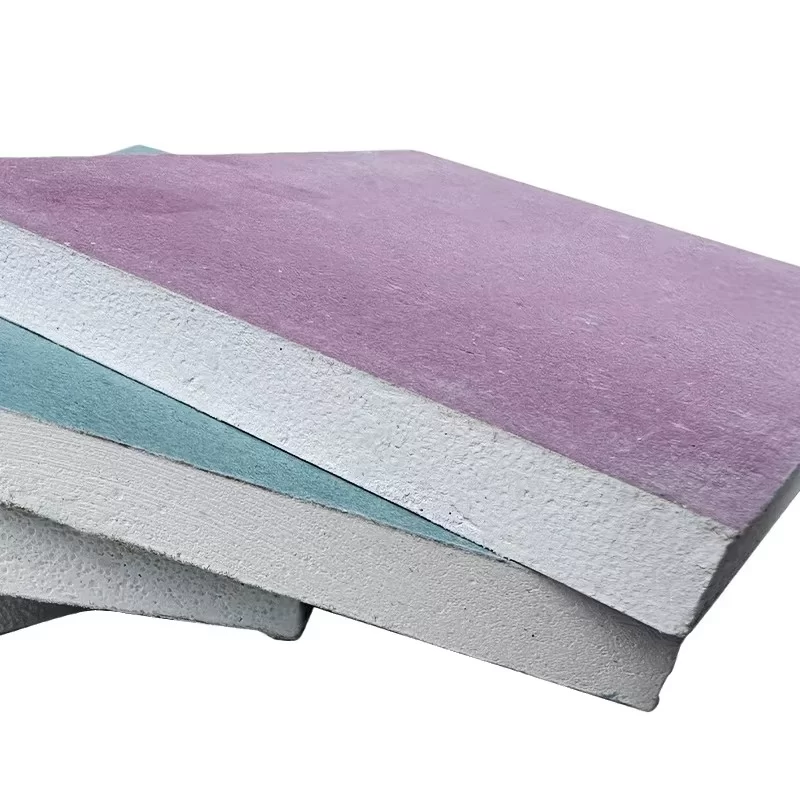
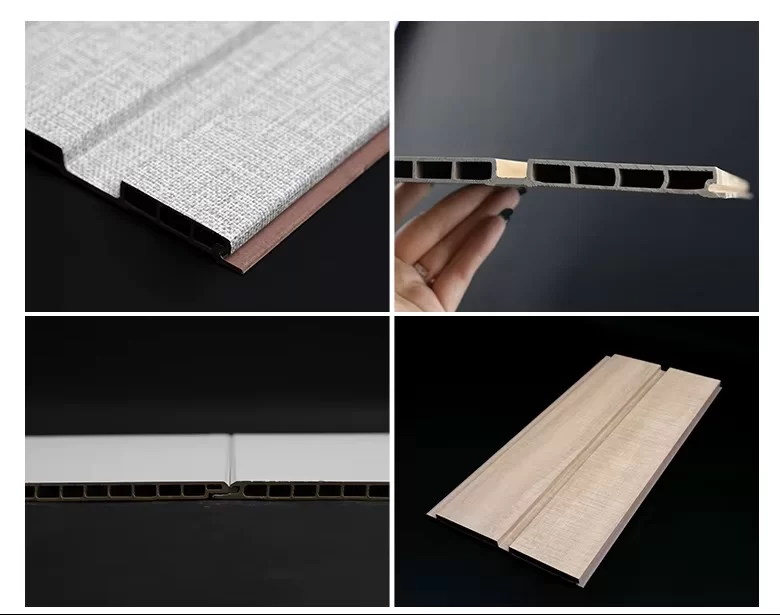
Integrated wall, door, and cabinet panel systems are prefabricated interior solutions designed to unify multiple decorative and structural components into a coordinated system. Instead of sourcing wall finishes, door frames, and cabinetry materials separately, these systems are engineered to work together in terms of dimensions, finishes, and installation methods.
An integrated system typically includes:
Wall cladding panels
Coordinated door frames and door leaf finishes
Built-in or modular cabinetry panels
Matching skirting lines and decorative trims
Concealed fastening systems
The key benefits include:
Reduced installation time
Lower labor costs
Unified design aesthetics
Improved structural stability
Simplified procurement and supply management
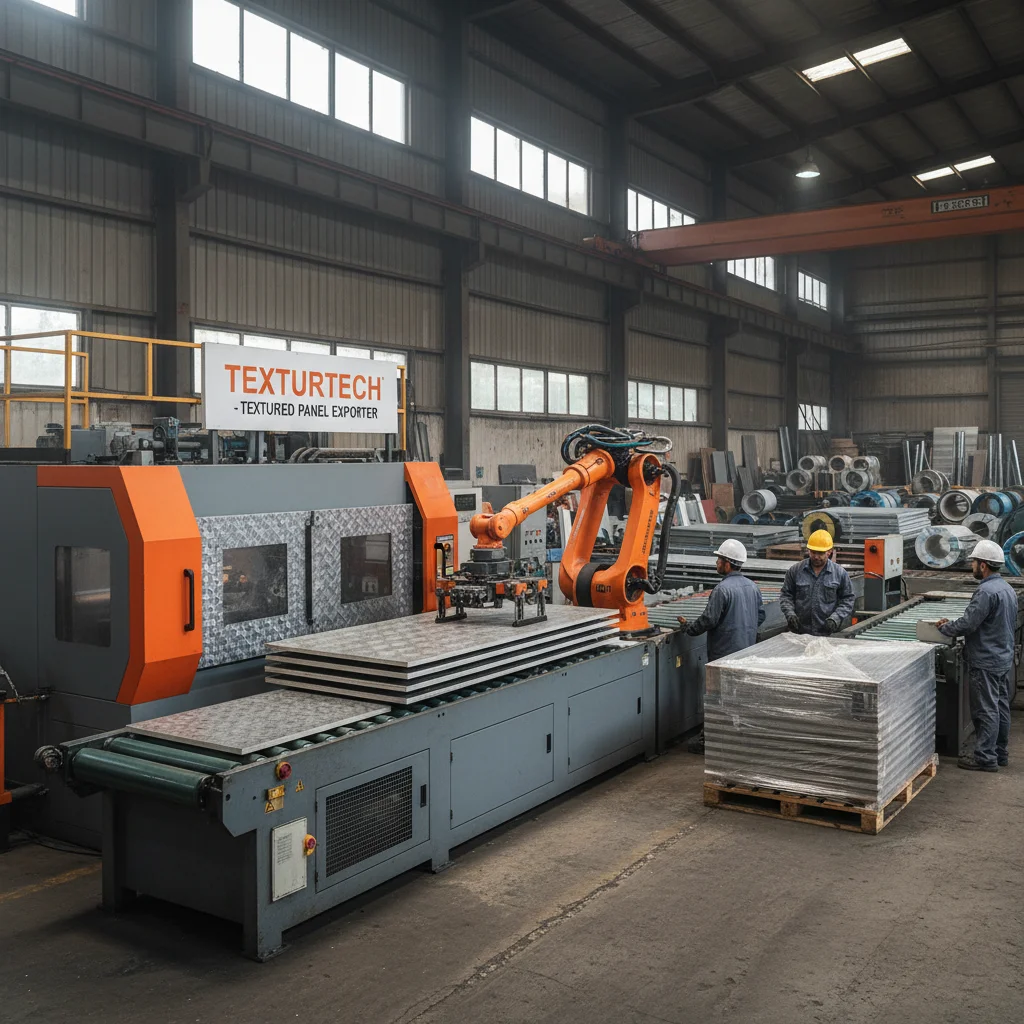
By shifting much of the processing from the construction site to controlled factory environments, integrated panel systems ensure greater precision and quality consistency.
Efficiency in Modern Construction
In today’s competitive construction environment, time equals cost. Every additional day on-site increases labor expenses, project management fees, and financial pressure. Traditional decoration processes require multiple teams—carpenters, painters, door installers, cabinet installers—working sequentially. This often leads to delays and coordination challenges.
Integrated panel systems significantly reduce these inefficiencies. Since the panels are prefabricated, installation becomes a standardized and modular process. On-site cutting, sanding, and painting are minimized or eliminated. This reduces dust, noise, and construction waste while accelerating project completion.
For developers managing large-scale residential projects, hotels, or commercial office buildings, time savings translate directly into faster occupancy and improved return on investment.
Cost Control and Long-Term Value
Although integrated systems may involve higher initial material costs compared to traditional decoration methods, they often deliver superior long-term value. Reduced labor requirements, shorter construction periods, and minimized material waste contribute to overall cost efficiency.
Moreover, factory-based production ensures better material utilization and quality control, reducing future maintenance or repair costs. The standardized installation process also decreases the likelihood of workmanship errors, further protecting project budgets.
For international buyers, sourcing integrated panel systems through a professional trade partner like Shanghai Weibangxun International Trade Co., Ltd. ensures optimized pricing and reliable supplier coordination.
Aesthetic Harmony and Design Integration
Beyond efficiency and cost advantages, integrated wall, door, and cabinet panels offer unmatched design coherence. Matching finishes across walls, doors, and cabinetry create a seamless visual experience. Instead of mismatched textures or color variations from different suppliers, integrated systems provide a unified interior language.
Whether the desired style is minimalist, industrial, Scandinavian, or luxury modern, coordinated panel systems enhance spatial harmony. Concealed hinges, flush doors, hidden handles, and continuous panel lines contribute to a refined and contemporary appearance.
This design consistency is especially valuable in:
High-end residential villas
Boutique hotels
Premium apartments
Office reception areas
Retail showrooms
Integrated systems allow architects and designers to maintain creative control while simplifying material coordination.
Environmental and Quality Advantages
Factory-prefabricated panel systems often incorporate eco-friendly materials with controlled emission standards. By reducing on-site painting and adhesive use, integrated solutions help improve indoor air quality and reduce environmental impact.
In addition, controlled production environments ensure precise cutting, accurate alignment, and consistent finishing quality. This improves structural stability and extends product lifespan.
For overseas markets where environmental compliance and building standards are increasingly strict, integrated systems provide both aesthetic and regulatory advantages.
Global Supply Chain Support from Shanghai
Efficient international trade requires not only high-quality products but also reliable logistics, documentation accuracy, and policy support. Shanghai Weibangxun International Trade Co., Ltd. benefits from its strategic location in Shanghai, one of the world’s most dynamic international trade hubs.
Operating within the framework of the China (Shanghai) Pilot Free Trade Zone, the company enjoys streamlined customs procedures, efficient tax policies, and simplified cross-border settlement systems. Shanghai’s advanced port infrastructure ensures timely shipping and global connectivity.
Furthermore, the Yangtze River Delta region hosts a strong building materials manufacturing cluster, providing stable upstream supply, advanced production technology, and competitive cost structures. By integrating these regional advantages, Shanghai Weibangxun International Trade Co., Ltd. delivers comprehensive export solutions tailored to overseas customers’ needs
Simplified Procurement and Project Coordination
One of the major challenges in international construction projects is coordinating multiple suppliers across different product categories. Integrated panel systems reduce procurement complexity by consolidating wall finishes, door systems, and cabinetry components into one unified sourcing channel.
This simplified procurement model improves communication efficiency, reduces documentation workload, and lowers the risk of specification inconsistencies. For overseas distributors and project contractors, this means smoother project execution and improved operational efficiency.
Conclusion
Integrated wall, door, and cabinet panel systems represent the future of efficient interior construction. By combining modular design, factory-prefabrication, aesthetic harmony, and cost efficiency, these solutions meet the evolving needs of global construction markets.
Backed by Shanghai’s advanced trade ecosystem and a strong building materials supply chain, Shanghai Weibangxun International Trade Co., Ltd. continues to deliver innovative, high-value integrated solutions to international partners. With its clear positioning as a bridge connecting Chinese building materials with global demand, the company supports overseas customers in achieving faster project timelines, better cost control, and elegant interior results.
In an era where efficiency, sustainability, and design excellence define competitive advantage, integrated panel systems provide a smarter path forward for modern construction worldwide.



Hit enter to search or ESC to close