Look, I've spent the last fifteen years tracking materials on sites from Florida to Montana, and let me tell you, getting flooring right is crucial. It's not just about aesthetics, it's about durability, speed of install, and frankly, keeping projects on budget. That’s where WPC flooring comes in – and why understanding the nuances of sourcing a reliable WPC flooring Exporter is vital. We’re not talking about cheap laminate here; we're talking about a composite material built to withstand real-world conditions.
The thing is, demand for durable, waterproof flooring is exploding. Not just in residential, but in commercial builds, hospitality, even light industrial. The old standards just aren’t cutting it anymore, especially in areas prone to moisture or heavy foot traffic. This global shift is driving innovation and, unfortunately, also flooding the market with subpar products. That's why finding a dependable WPC flooring Exporter isn't just a sourcing exercise – it's a risk mitigation strategy.
And honestly, the speed of install is a game changer. Traditional flooring installs can drag on, delaying project completion and racking up labor costs. WPC flooring, particularly the click-lock systems, dramatically cuts down on installation time. This translates to faster project turnover, happier clients, and more profit for us. That's why I make it my business to know who the reliable WPC flooring Exporters are.
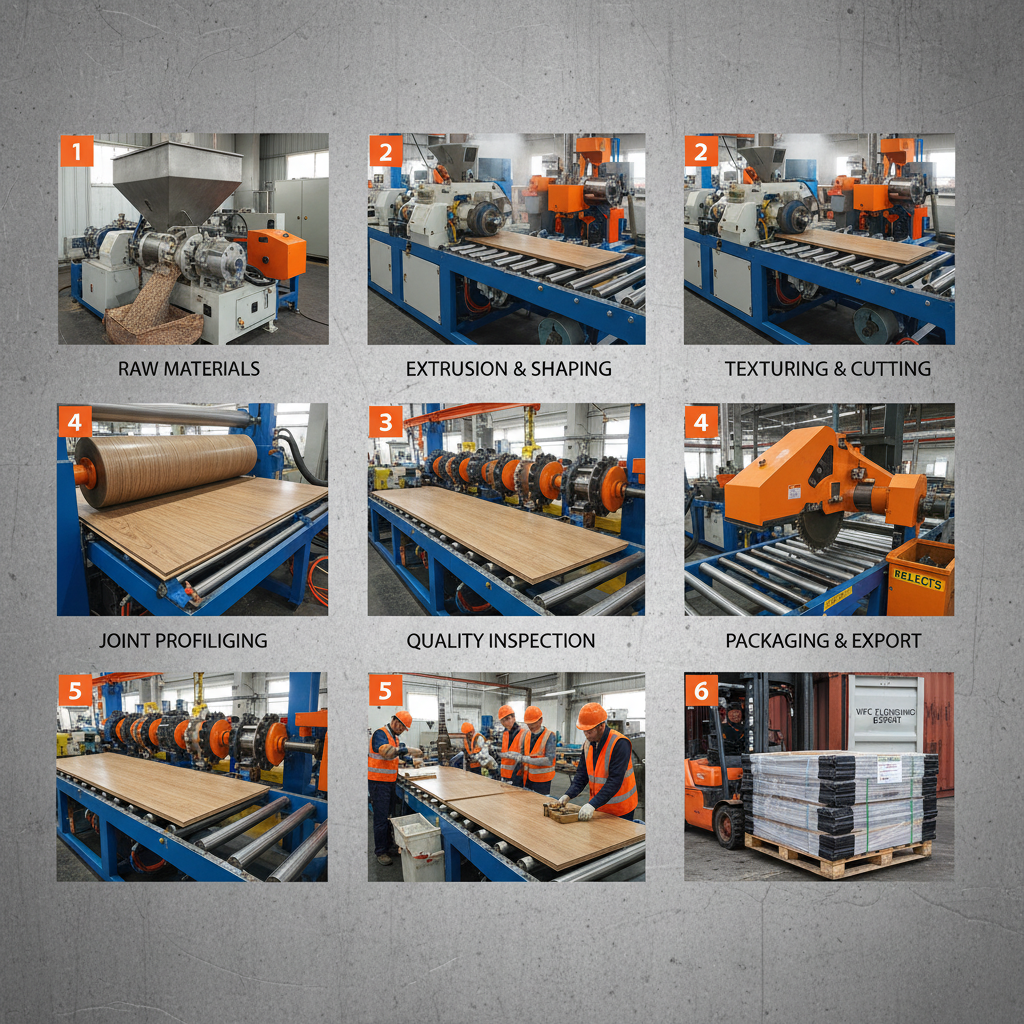
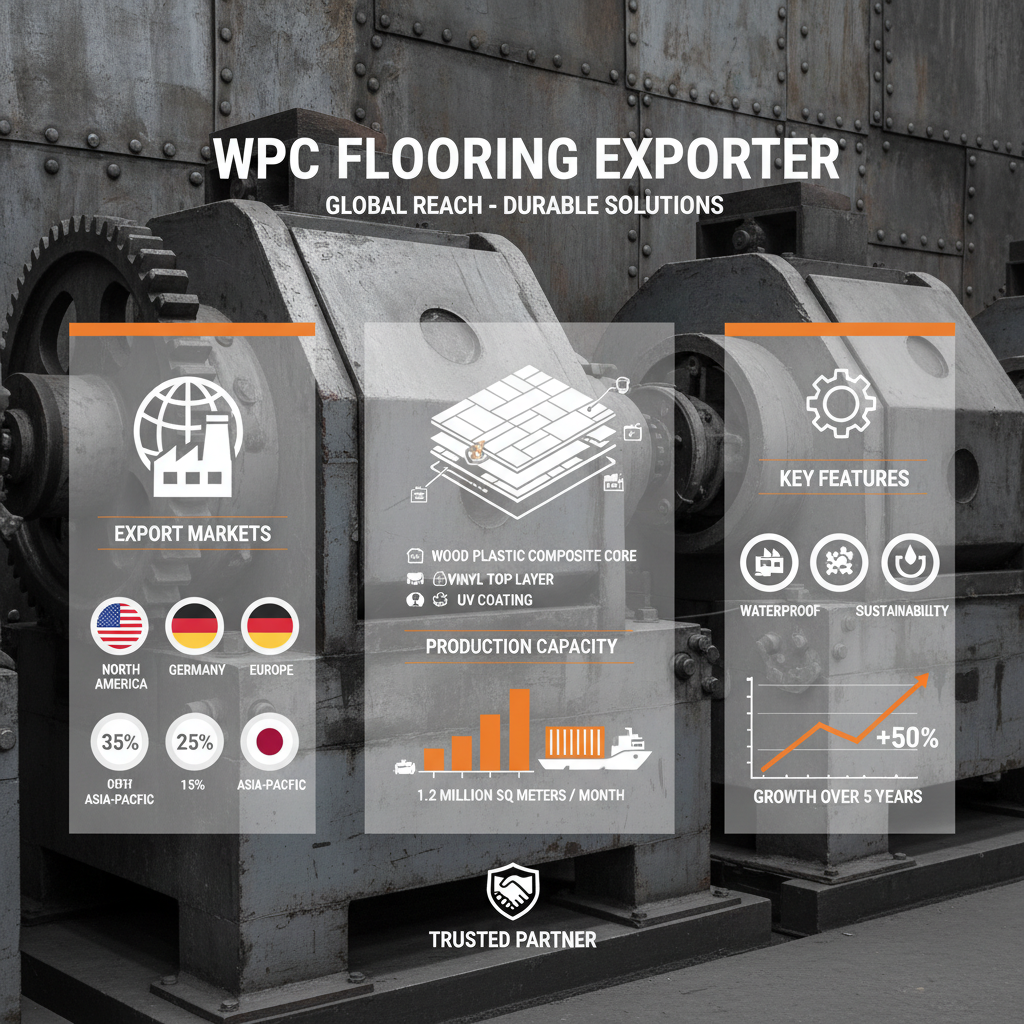
Let’s be clear: WPC flooring solves a lot of headaches. The biggest win? Waterproof performance. We’re talking bathrooms, kitchens, basements – areas where traditional flooring would be a nightmare. But it’s not just waterproof; it’s dimensionally stable, meaning it doesn’t expand and contract with temperature and humidity changes. This is huge for preventing warping and gapping.
And it's comfortable underfoot. Unlike tile or concrete, WPC flooring has a slight give to it, making it more pleasant to walk on, especially for crews working long hours. That matters. Happy crews are more productive crews. Finding a WPC flooring Exporter who understands these subtle benefits is key.
WPC is significantly more dimensionally stable and waterproof than traditional vinyl. Vinyl tends to expand and contract with temperature changes, leading to gaps and potential damage. WPC's core construction provides superior resistance to moisture and warping, making it ideal for bathrooms and kitchens. Plus, WPC often offers better comfort underfoot due to its slightly cushioned core. Choosing a quality WPC flooring Exporter ensures you're getting these benefits.
The wear layer is critical. It’s your primary defense against scratches, stains, and general wear and tear. For residential applications, a 12-mil wear layer is generally sufficient, but for high-traffic areas or commercial use, you should look for at least 20 mils. A thicker wear layer translates to a longer lifespan and better resistance to damage. Don’t let a cheaper WPC flooring Exporter compromise on this.
Many WPC flooring products are compatible with radiant heat, but it's essential to check the manufacturer's specifications. Not all WPC cores are designed to withstand the heat without warping or degrading. Look for products specifically labeled as "radiant heat compatible" and follow the installation instructions carefully. A reliable WPC flooring Exporter will provide detailed information on this.
WPC flooring is remarkably low-maintenance. Regular sweeping or vacuuming to remove dirt and debris is usually sufficient. For spills, simply wipe them up with a damp cloth and mild detergent. Avoid abrasive cleaners or scouring pads, as these can damage the wear layer. No waxing or polishing is required. This ease of maintenance is a major advantage over traditional hardwood.
Quality can vary significantly. Look for exporters with strong quality control processes and certifications (like ISO 9001). Core composition, wear layer thickness, and locking system design are all key indicators of quality. Don’t hesitate to request samples and test reports. A reputable WPC flooring Exporter will be transparent and provide the information you need to make an informed decision.
Importing involves navigating tariffs, customs regulations, and shipping logistics. Work with an experienced import/export agent to ensure compliance and avoid delays. Factor in shipping costs, insurance, and potential currency exchange rate fluctuations. A reliable WPC flooring Exporter can often assist with these logistical challenges, providing documentation and support throughout the import process.
WPC flooring offers a compelling combination of durability, waterproof performance, and ease of installation. It’s a smart choice for a wide range of applications, from residential bathrooms to commercial spaces. However, the key to success lies in sourcing from a reputable WPC flooring Exporter who prioritizes quality control and offers transparent product specifications.
Looking ahead, we can expect to see further innovations in WPC flooring technology, with a focus on sustainability, realism, and enhanced performance. Investing in quality WPC flooring isn’t just about installing a floor; it's about building a lasting solution that delivers value for years to come. Visit our website at www.wbxbuilding.com to learn more about our WPC flooring options and find the perfect solution for your next project.



Hit enter to search or ESC to close