22 October 2026
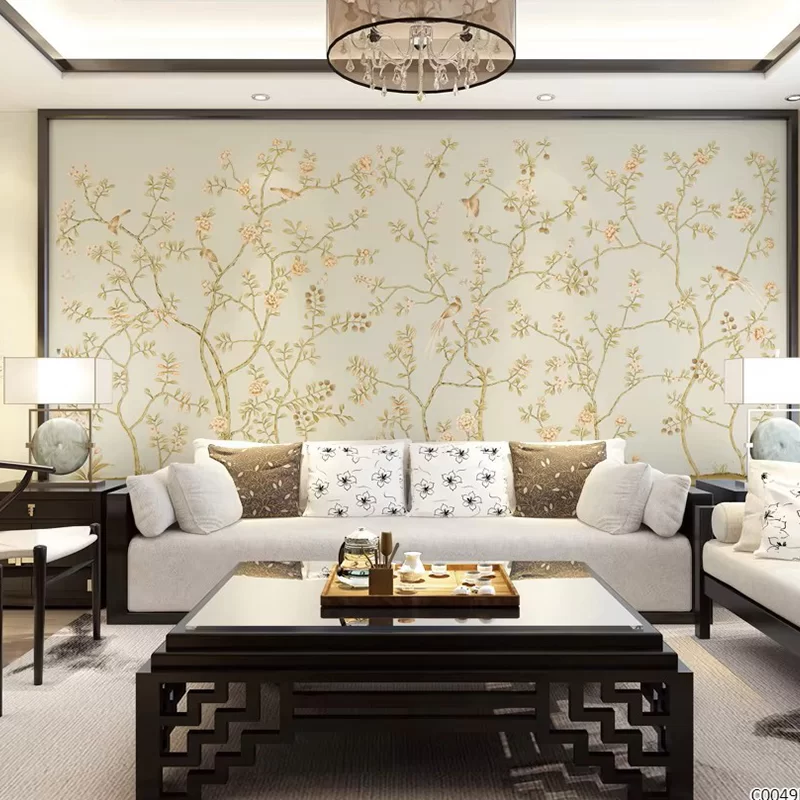
Architectural interior designers and commercial hospitality procurement managers evaluate custom 3D natural scenery wall murals through the lens of specific environmental conditions, where raw material selection directly dictates project longevity and aesthetic fidelity. Material performance determines whether an installation maintains its structural integrity across demanding venues such as high-end residential living rooms, hotel lobbies, and specialized exhibition halls.
Substrate behavior under variable humidity and traffic levels requires careful pre-installation planning. Environmental exposure dictates the ultimate success of custom wall coverings in professional spaces.
Silk, Non-woven Fabric, and Paper Core are specified as the three core substrate options sourced directly from China factory suppliers for architectural projects. Selecting the appropriate base material dictates both immediate aesthetic outcomes and long-term structural integrity across varying interior microclimates.
Private sleeping quarters and architectural reception areas are predominantly configured using Silk and Non-woven Fabric substrates. These specific material profiles deliver the necessary dimensional stability and surface richness required for premium architectural settings.
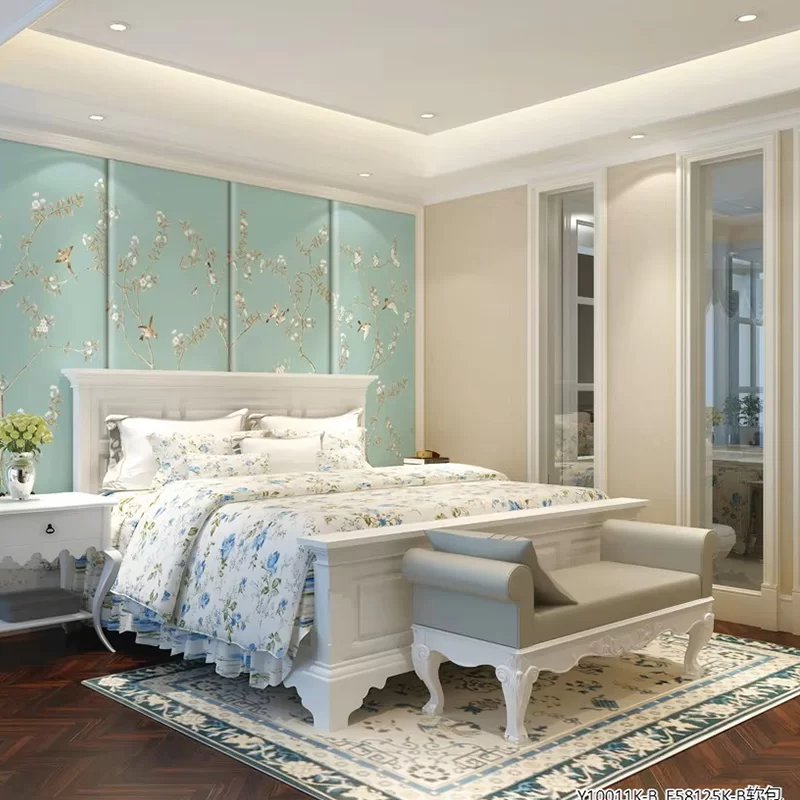
Professional commercial spaces like hotels and exhibition halls demand robust surfaces capable of withstanding heavy daily use and frequent environmental exposure. Non-woven Fabric is frequently deployed in these high-occupancy zones due to its tear-resistant structural backbone.
Paper Core and specialized non-woven variants are assigned to specific environments such as home offices, nurseries, and children's rooms. Material performance remains strictly aligned with whitelist application venues without introducing unverified physical metrics.
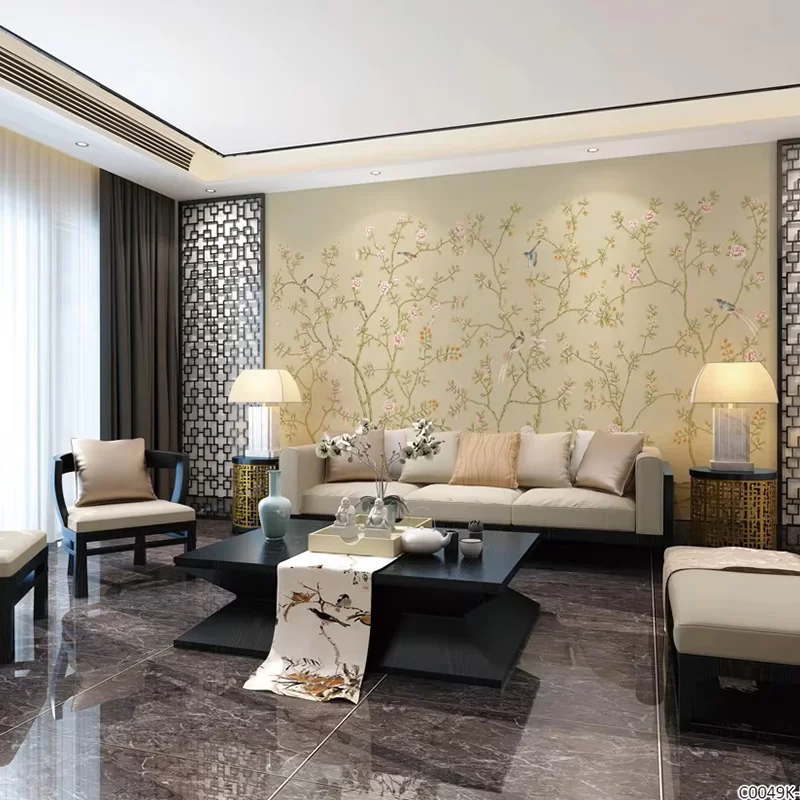
Mechanical resilience across various material profiles dictates how well each substrate withstands spatial traffic and microclimate exposure. Sourcing teams must evaluate these structural profiles against the specific environmental conditions of the target venue before finalizing orders.
| material | Suitability for Humid Environments | Price Tier | Required Documentation |
|---|---|---|---|
| Silk | Controlled indoor zones only | Premium | CE, SGS, and UL certifications available upon request |
| Non-woven Fabric | Suitable for variable humidity areas | Standard | CE, SGS, and UL certifications available upon request |
| Paper Core | Dry environment deployment | Economy | CE, SGS, and UL certifications available upon request |
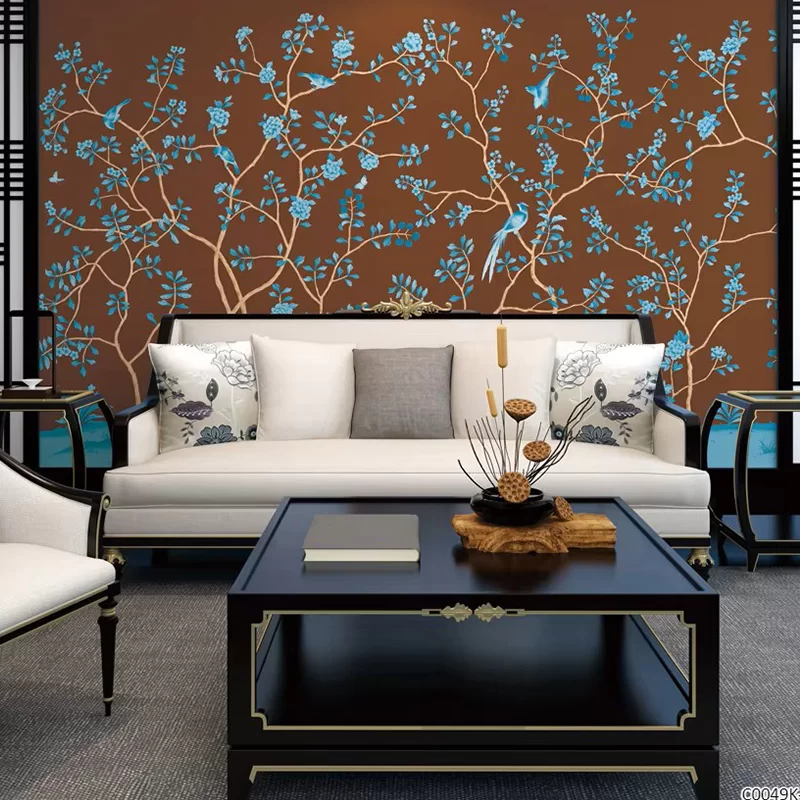
Certain material choices incorporate a robust structural backbone that resists mechanical wear and tear in high-occupancy areas. Alternative variants require careful placement away from high-traffic zones to prevent surface abrasion over time. CE, SGS, and UL documentation is available upon request for all substrate variants to support verification.
Sustained exposure to moisture accelerates degradation in untreated cellulosic surfaces when humidity remains unmanaged. Commercial hospitality projects in humid spaces depend on matching substrate porosity directly to the relative humidity of the room. Contact the supplier to obtain the files and test reports necessary for confirming material compliance thresholds.
Substrate degradation accelerates rapidly when wall coverings face unmanaged environmental humidity without proper pre-installation evaluation. Professional commercial venues and high-end residential interiors require rigorous analysis of ambient moisture levels before final material deployment.
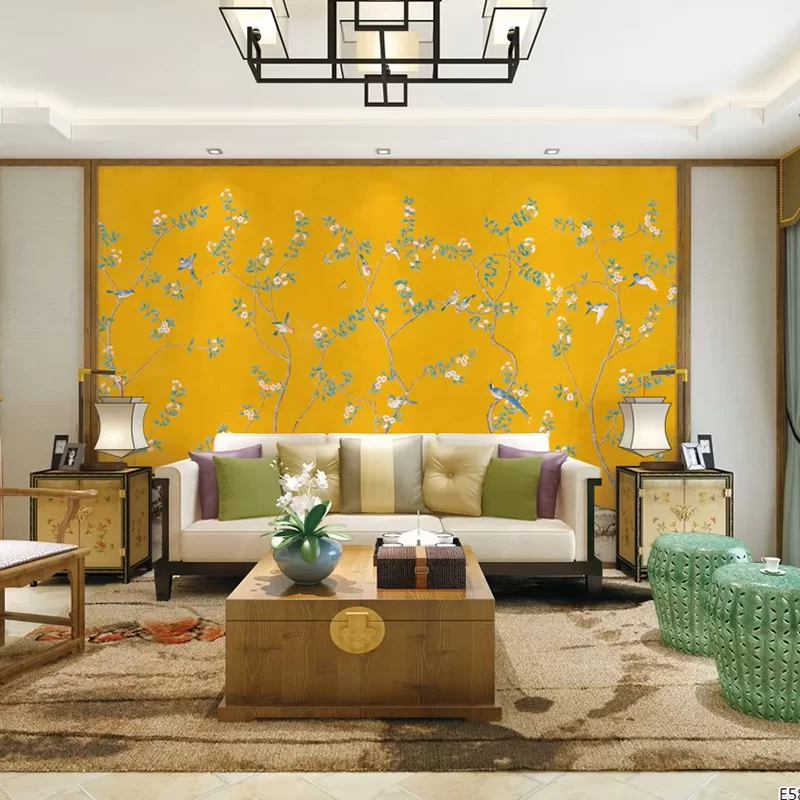
Industry performance data across humid sectors indicates that unchecked vapor exposure compromises adhesive bonding over time. Sourcing teams mitigate these operational risks by aligning base material permeability with expected room humidity thresholds.
Procurement decisions must factor in specific spatial exposure variables rather than relying solely on aesthetic preferences. Unmanaged environmental conditions across specialized exhibition areas or hotel lobbies necessitate careful verification of substrate structural limits prior to final purchase approvals.
Architectural teams review humidity metrics against baseline durability parameters to prevent premature material failure. Final procurement schedules remain dependent on regional climate intensity and intended room utilization rates.
Project acquisition for custom 3D wall mural configurations begins at a minimum order quantity (MOQ) of 1 square meter, accommodating both boutique interior features and large-scale architectural rollouts.
Specifying custom wall coverings requires procurement teams to weigh spatial dimensions against manufacturing readiness, where small test panels and full-scale production runs share the same entry threshold.
Standard production lead times are established at 10 days for order quantities between 101 and 10,000 square meters, maintaining predictable schedules for commercial hospitality procurement managers. Orders exceeding 10,000 square meters require tailored consultation to align factory manufacturing output with complex architectural staging schedules and ocean freight consolidation windows.
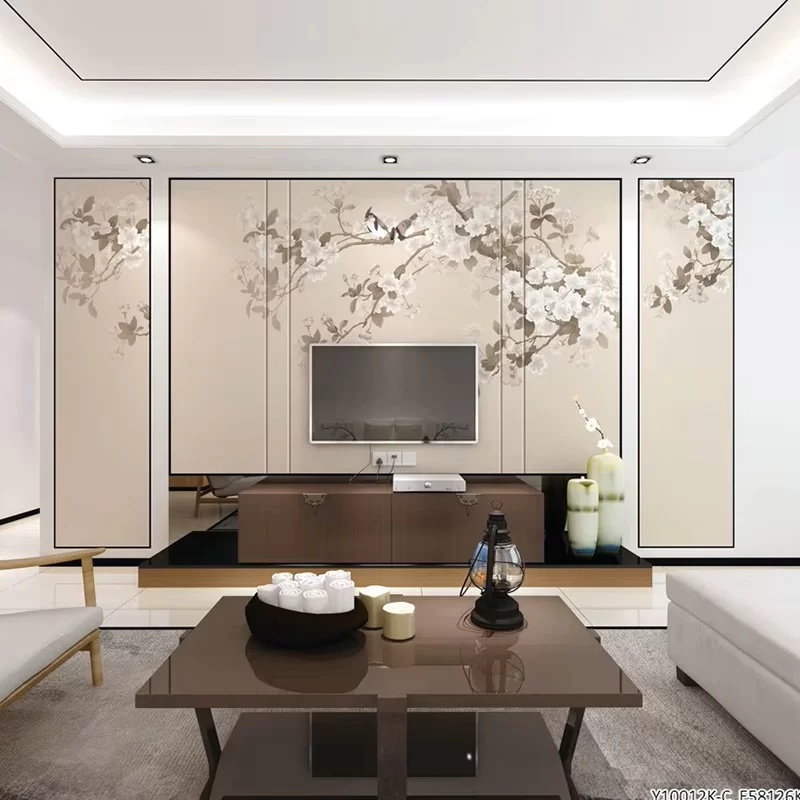
Fulfillment velocity depends directly on total ordered square meterage, destination port logistics, and seasonal shipping capacity, ensuring transparency throughout the international supply chain.
Estimating cutting waste depends directly on room geometry, ceiling heights, and the repeating patterns of 3D natural scenery wall murals across uneven partition walls.
Procurement teams evaluate net wall dimensions against standard roll widths to prevent shortfalls before purchase orders are issued.
Accurate preliminary audits minimize financial exposure by aligning material quantities with the specific structural demands of commercial interiors.
Surface irregularity factors determine the exact buffer required for each venue type, depending entirely on the chosen substrate category and layout complexity.
Product longevity for custom wall coverings depends heavily on dependable manufacturing standards backed by Lifetime Quality Assurance. Sourcing managers evaluate long-term investment viability by ensuring that every square meter of material aligns with recognized fabrication benchmarks.
CE, SGS, and UL certifications are available upon request to support procurement verification across all material options. Architectural procurement teams rely on these verification documents to confirm that custom wall mural supplies meet international trade compliance requirements before dispatch from the factory.
Testing protocols follow standard industry practice without assigning fabricated issuing bodies or test numbers. Import agents review these parameters based on order volumes ranging between 101 and 10,000 square meters, ensuring that each project phase adheres to strict delivery timelines.
Non-woven fabric is frequently deployed in these high-occupancy zones due to its tear-resistant structural backbone. When evaluating options for commercial hospitality venues, interior designers match the chosen base material to the expected daily foot traffic. Procurement teams should review the spatial environmental conditions and verify required compliance documents before finalizing orders.
The minimum order quantity is 1 square meter for custom projects. This low threshold accommodates both small accent walls in residential settings and initial sample requests from architectural interior designers. Larger rollouts scale according to project square footage, depending on the chosen substrate and delivery destination.
Standard lead time is 10 days for quantities between 101 and 10,000 square meters. Orders exceeding 10,000 square meters require consultation with the factory supplier to establish a tailored delivery schedule. Procurement managers should account for these timelines when scheduling site installation phases.
CE, SGS, and UL certifications are available upon request to support procurement verification across different destination markets. These documents assist importing wholesale distributors and brand buyers in meeting regulatory requirements. Additional documentation details depend on the specific material variant selected for the project.
Lifetime Quality Assurance applies to the products, supporting long-term performance in both residential and commercial venues. This assurance backs structural integrity when materials are installed within recommended indoor environments. Buyers can contact factory suppliers to confirm project-specific parameters and initiate sample requests.
Final project execution relies on systematic site inspection and clear communication regarding spatial exposure levels and volume specifications. Procurement managers balance material costs and delivery timelines by verifying layout dimensions prior to confirming purchase orders.
Sample acquisition protocols and technical documentation requests depend directly on the chosen order volume and the exact nature of the destination interior. Subsequent shipments for orders exceeding 10,000 square meters are scheduled following formal factory consultations.


Hit enter to search or ESC to close