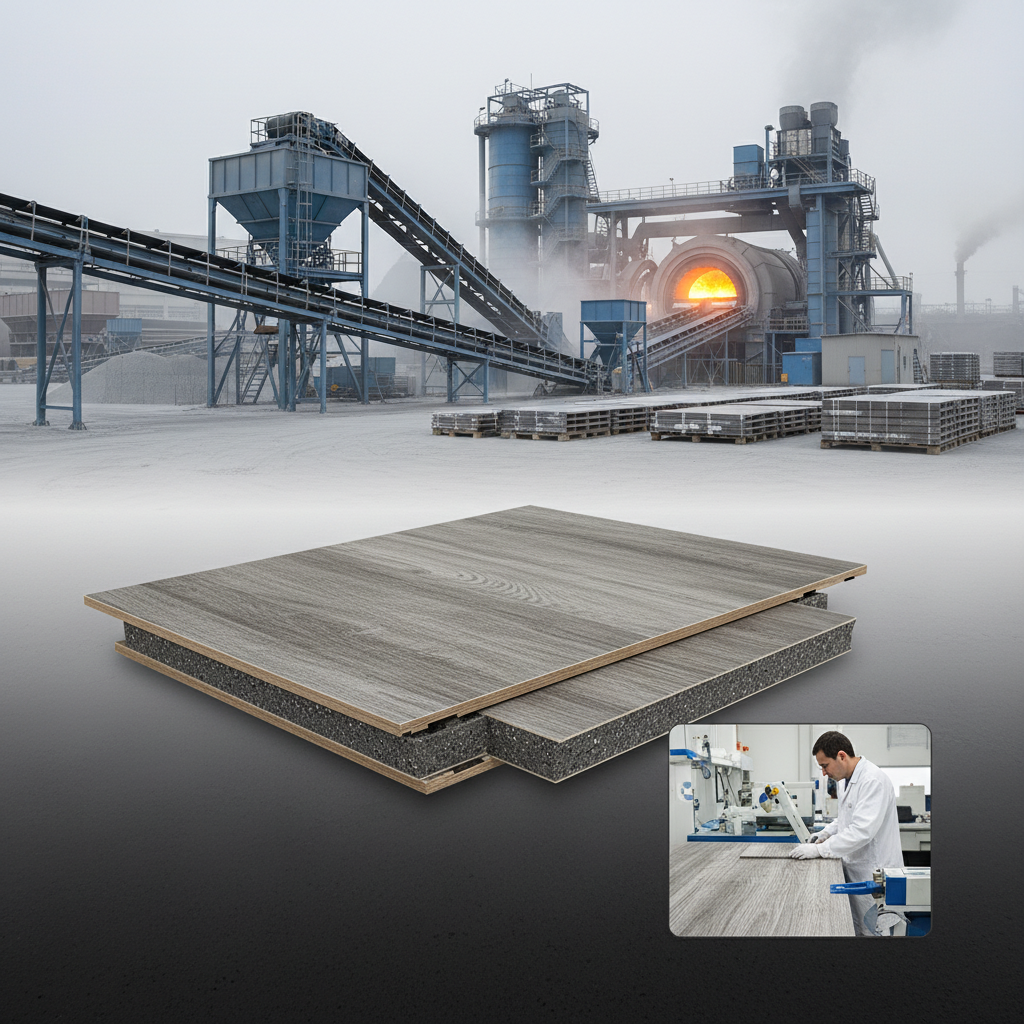
Securing high-end architectural surfaces requires more than just a supplier; it demands a strategic partnership with a professional Marble floor Exporter who understands the intersection of geology and design. For B2B buyers, architects, and large-scale developers, the selection of stone materials directly impacts the longevity, aesthetic value, and structural integrity of a commercial or residential project. This guide examines the critical factors involved in sourcing natural stone and engineered alternatives for luxury flooring applications.
The global building materials trade is increasingly focused on the balance between luxury and sustainability. From the logistical hubs of Shanghai to construction sites in Europe and Southeast Asia, the movement of heavy, fragile stone slabs necessitates a sophisticated supply chain. Professionals must navigate complex certifications, varying grades of mineral purity, and the precision of cutting technologies to ensure that the final installation meets rigorous international standards without compromising on visual appeal.
Readers will explore a comprehensive framework for evaluating stone suppliers, understanding the technical specifications that differentiate commercial-grade surfaces from residential ones, and learning how to optimize procurement costs. By focusing on material stability and logistical efficiency, buyers can mitigate the risks of breakage and color inconsistency, ensuring a seamless transition from the quarry to the finished Marble floor Exporter layout in their project.
Sourcing Premium Stone Surfaces
The procurement of luxury stone is a high-stakes operation where the variance in a single block of marble can alter the entire mood of a space. In the B2B sector, sourcing is not merely about purchasing a product but managing a complex entity relationship. A reliable partner must leverage regional clusters, such as those found in the Yangtze River Delta, to provide a diverse portfolio of materials that range from traditional Carrara-style whites to exotic colored veins. The technical challenge lies in maintaining consistency across thousands of square meters, requiring strict quality control at the source. Beyond natural stone, the industry has seen a rise in high-performance alternatives like MDF-cored panels for decorative walling, which offer structural stability and versatility for interior moldings, complementing the heavy stone floors. The objective for any procurement officer is to synchronize these different material lifecycles to ensure that the durability of the floor matches the finish of the walls and ceilings.
Strategic Procurement for Luxury Flooring
Effective B2B procurement requires a multi-dimensional analysis of the supplier's capabilities, moving beyond the initial quote to evaluate the total cost of ownership and delivery reliability. The following dimensions provide a structured approach to assessing the value chain of luxury stone and building material imports.
Material Grade Assessment
Evaluating stone requires a deep dive into mineral composition and structural density. Buyers must distinguish between first-grade selections and commercial grades based on vein consistency, porosity, and resistance to abrasion. For complementary interior elements, such as the SUNHOUSE MDF boards, buyers look for E0/E1 grade eco-friendly adhesives and uniform density (700-850kg/m³) to ensure they can support high-gloss finishes and heavy laminates without warping.
| Evaluation Metric | Luxury Requirement | Risk Factor | Buyer's Checklist |
|---|---|---|---|
| Surface Porosity | Low / Sealed | Staining/Moisture | Check absorption rate |
| Vein Matching | Book-matched | Visual Discontinuity | Request slab gallery photos |
| Density (MDF Core) | 680-830 KG/M³ | Structural Sagging | Verify pressure pressing |
| Formaldehyde | E0/E1 Grade | Indoor Air Quality | Demand CE/CARB Certs |
| Dimensional Accuracy | +/- 0.2mm | Installation Gaps | Inspect sanding precision |
| Load Bearing | High Compression | Cracking under weight | Verify material hardness |
Supply Chain Logistics
Transporting heavy stone slabs requires specialized crating and logistics expertise to prevent hairline fractures. Utilizing hubs like the Shanghai Pilot Free Trade Zone allows exporters to optimize customs clearance and reduce lead times. A professional supplier manages the entire journey, from the quarry's loading bay to the international port, ensuring that pallet packaging is reinforced for long-haul maritime transit to Europe or the Americas.
Customization and Precision
Modern architectural projects demand bespoke dimensions and complex carvings. The ability to offer customized thickness (from 3mm to 30mm in MDF panels or specific slab depths in stone) is a key competitive advantage. Precision milling and CNC cutting ensure that materials fit perfectly into pre-defined 3D models, reducing on-site waste and labor costs during the installation phase.
Compliance and Eco-Standards
International projects must adhere to strict environmental and safety regulations. This includes FSC certification for wood-based products and low-emission standards for adhesives. Compliance with EU E0 and national green building standards is no longer optional; it is a prerequisite for entering the high-end residential and commercial markets in developed regions.
Installation Compatibility
The interaction between different materials is critical. For example, when installing stone floors alongside wood-fiberboard wall cladding, the moisture-proof properties of both materials must be synchronized. Using moisture-resistant MDF prevents the expansion and contraction that could otherwise put pressure on the stone baseboards, ensuring the longevity of the interior finish.
Cost-to-Value Analysis
B2B buyers must look past the unit price to consider the total value. This includes the cost of waste, the efficiency of the delivery schedule, and the availability of after-sales technical support. A supplier that provides 3D modeling and overall engineering solutions reduces the risk of costly procurement errors, offering higher long-term value than a low-cost, product-only vendor.
Vendor Reliability Metrics
Reliability is measured by the consistency of the supply capacity and the transparency of the order cycle. A vendor capable of delivering 300,000 sheets per month or coordinating massive stone shipments through established logistics giants provides the stability required for large-scale hotel and commercial projects, where delays can result in significant financial penalties.
FAQ
How do I verify the quality of a stone shipment before it leaves the factory?
Buyers should request a detailed slab gallery with high-resolution photos of the actual blocks being cut. Additionally, engaging a third-party inspection agency or relying on a supplier with a transparent quality assurance system—such as one that provides visual tracking of the order cycle—is essential. Checking for certifications like CE or CARB ensures that the materials meet the safety and quality standards of the destination country.
What are the main differences between E0 and E1 grade building materials?
The primary difference lies in the level of formaldehyde emission. E0 grade is more stringent, typically requiring emissions to be ≤0.06mg/m³, making it safer for indoor environments and compliant with the strictest EU and green building standards. E1 is a standard commercial grade that is acceptable in many regions but may not meet the requirements for high-end, eco-certified residential projects.
Can you provide customized thickness for bulk orders of interior panels?
Yes, professional manufacturers often provide a wide range of thicknesses, typically from 2mm up to 30mm, to suit different structural needs. Whether for thin decorative veneers or thick door cores, customization is usually available for bulk orders. It is important to specify the thickness tolerance (e.g., +/-0.2mm) to ensure precision during the assembly of furniture or wall cladding.
What logistics considerations are most important for importing heavy stone slabs?
The most critical factors are pallet reinforcement and container optimization. Using standard export pallet packaging is mandatory to prevent shifting during transit. Furthermore, choosing a supplier located near major international ports, such as Shanghai, reduces inland transit risks and streamlines the process of customs clearance through Free Trade Zone policies.
How does the choice of core material affect the durability of interior wall panels?
The density of the core material determines its resistance to warping and load-bearing capacity. High-density fiberboards (HDF) or Medium-Density (MDF) with a density of 680-830 KG/M³ provide a stable base that prevents cracking and allows for better adhesion of high-gloss or wood veneer finishes, which is essential for high-traffic areas like hotel lobbies.
What should I look for in a long-term building materials trade partner?
Look for a partner that offers a comprehensive service model including product customization, full-process logistics, and compliance support. A reliable partner should have a proven track record in multiple global markets (such as Europe and Southeast Asia) and the ability to provide technical solutions like 3D modeling to ensure that the architectural vision is accurately translated into the final physical installation.
References and further reading
- International Standards for Natural Stone Quality and Grading (ASTM / EN Standards).
- European Formaldehyde Emission Standards for Wood-Based Panels (EN 13986).
- Global Logistics Guidelines for Heavy Architectural Materials and Fragile Cargo.
Related Articles