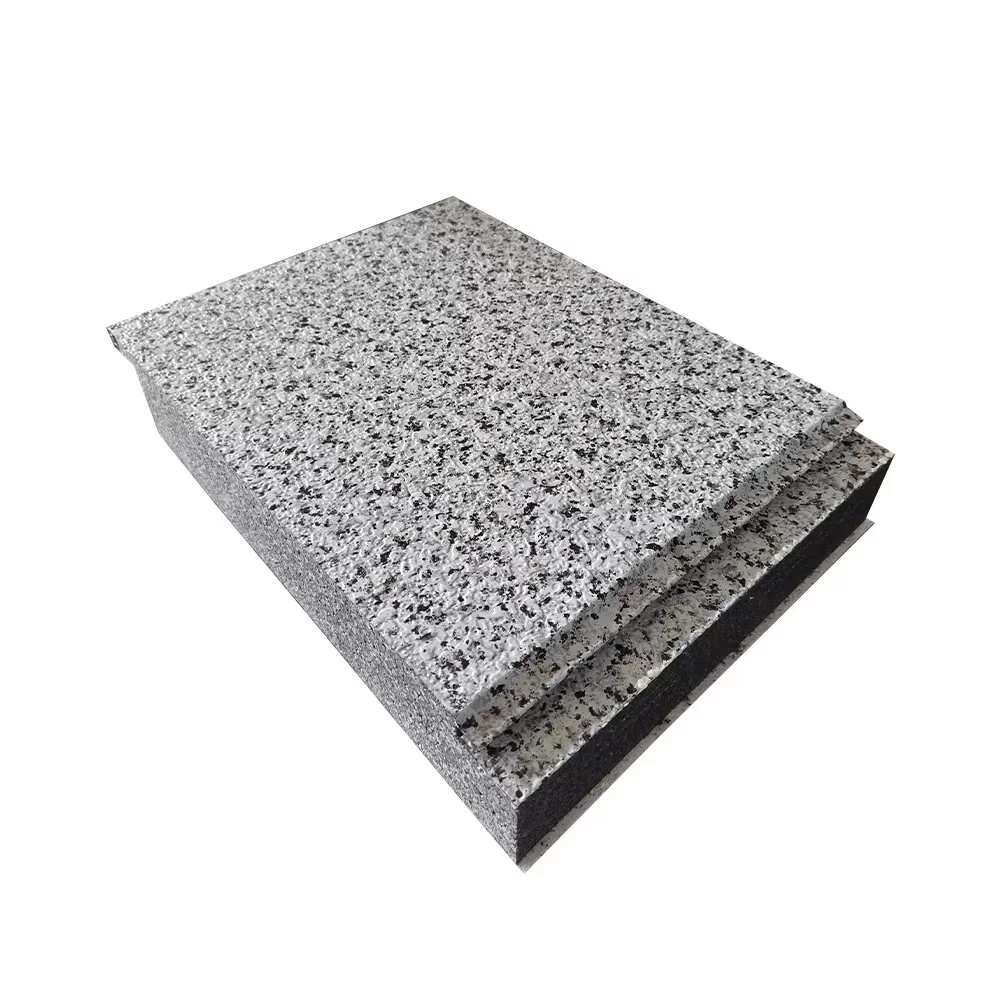
HighPerformance Exterior wall panel Solutions for Ecuador

Advanced Exterior wall panel Solutions for Ecuador's Diverse Climate

High-performance building materials engineered to withstand Andean heights and coastal humidity, enhancing energy efficiency and structural durability.

Current State of Construction Materials in Ecuador

Analyzing the intersection of geography and building material requirements across the coast, sierra, and oriente regions.

The Ecuadorian market is currently navigating a transition from traditional masonry and heavy concrete to lightweight, thermally efficient systems. In cities like Quito, the high altitude and extreme diurnal temperature swings demand materials that can manage thermal expansion and contraction without compromising structural integrity.

Coastal regions such as Guayaquil face challenges with high humidity and saline environments, which accelerate the corrosion of traditional materials. This has led to an increased demand for high-grade Extrusion profile systems that provide superior weatherproofing and long-term durability against tropical moisture.

Furthermore, urban densification in metropolitan hubs is driving the adoption of acoustic management tools. The integration of Soundproof panel technology is becoming essential in mixed-use developments to mitigate noise pollution in rapidly growing urban corridors.
Technical Evolution and Growth Trajectory

From basic cladding to smart, multi-functional building envelopes.

Market Development History

Until the early 2000s, the Ecuadorian construction sector relied heavily on local raw minerals and basic concrete blocks. Thermal insulation was often an afterthought, resulting in high energy costs for heating in the highlands and cooling on the coast.

Between 2010 and 2020, a shift toward prefabricated components began. The introduction of imported Indoor flooring options like high-density laminates and SPC provided a faster alternative to traditional ceramic tiles, aligning with the need for rapid commercial deployment.

Currently, the market is entering a "Smart Material" phase. The focus has shifted toward holistic building envelopes where Insulated glass is no longer just for luxury villas but a standard requirement for energy-certified commercial buildings (LEED) in the region.

Future Development Trends

Adaptive Thermal Regulation

Future materials will focus on "breathing" facades that adapt to Ecuador's varied microclimates, utilizing advanced polymers to maintain interior temperatures.

Eco-Mineral Integration

Integration of recycled non-metallic minerals into wall panels to reduce the carbon footprint of the construction process in the Amazonian region.

Acoustic Urbanism

Increased implementation of sound-absorbing materials in public infrastructure to combat the noise levels of growing metropolitan traffic.

Industry Trends and Future Outlook

Forecasting the next 3-5 years of non-metallic mineral product evolution in the South American market.

Energy Efficiency Mandates
Stricter energy codes in Ecuador will drive the adoption of high-R-value exterior panels to reduce HVAC reliance.
Prefabricated Modularity
A shift toward rapid assembly using standardized extrusion profiles to lower labor costs and construction time.
Sustainable Sourcing
Increasing demand for non-toxic, mineral-based materials that meet international environmental certifications.
Acoustic Wellness
Integration of soundproofing into residential wellness designs to improve mental health in urban environments.

Industry Outlook

Based on regional search trends, there is a growing interest in "sustainable construction" and "thermal insulation" within the Ecuadorian market. We expect a surge in the adoption of hybrid mineral-polymer composites that offer the strength of traditional materials with the lightness of modern synthetics.

The synergy between high-performance glazing and insulated wall systems will likely become the primary driver for the commercial real estate sector in Quito and Guayaquil, aimed at achieving net-zero operational carbon.

Localized Application Scenarios in Ecuador

Practical implementation of advanced building materials across diverse Ecuadorian environments.

01. Highland Corporate Offices (Quito)

Implementation of high-performance Insulated glass and thermal wall systems to maintain interior warmth against the thin, cold Andean air while maximizing natural light.

02. Coastal Industrial Warehouses (Guayaquil)

Utilizing corrosion-resistant Extrusion profile frames and moisture-proof exterior panels to prevent structural decay in high-salinity maritime air.

03. Urban Residential Complexes (Cuenca)

Installation of premium Indoor flooring and sound-dampening layers to create luxury living spaces that are thermally stable and acoustically private.

04. High-Traffic Commercial Hubs (Manta)

Application of Soundproof panel systems in retail and hospitality zones to ensure a premium customer experience amidst busy street environments.

05. Eco-Lodges in the Amazon (Oriente)

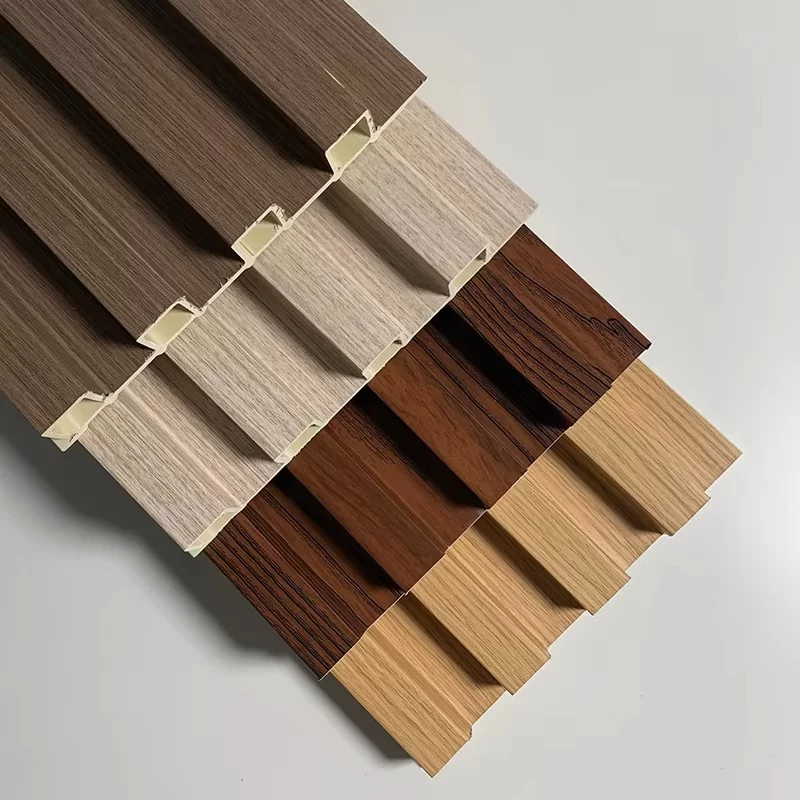
Deployment of lightweight Exterior wall panel systems that provide rapid assembly and high resistance to humidity and organic growth in tropical rainforests.

Brand Story

Global Development Journey of Shanghai Xinshengyuan International Trade Co., Ltd.

Foundation and Core Vision

Established as a bridge between high-end manufacturing and global demand, we focused on solving the durability gap in non-metallic building materials.

Technical Specialization

We invested in R&D to optimize mineral composites, ensuring our products could withstand extreme environmental stresses from tropical to alpine.

Strategic Global Expansion

Expanding into South American markets, we tailored our logistics and product specifications to meet the unique regulatory standards of the region.

Commitment to Sustainability

Transitioning our product line to include eco-friendly mineral alternatives, reducing the ecological impact of urban development worldwide.

Future-Proofing Architecture

Today, we empower architects and builders in Ecuador to create structures that are not only beautiful but sustainable and resilient for generations.

Frequently Asked Questions for the Ecuadorian Market

Technical guidance and procurement advice for local builders and developers.

How do exterior wall panels perform in Quito's high altitude?

Our panels are engineered with advanced thermal expansion coefficients to handle the significant temperature swings common in the Andean highlands, preventing cracks and air leaks.

Are the extrusion profiles resistant to coastal salinity in Guayaquil?

Yes, our profiles feature a high-grade protective coating specifically designed to resist chloride penetration and saltwater corrosion, ensuring a long service life in coastal areas.

Can insulated glass significantly reduce electricity costs for cooling?

Absolutely. By reducing solar heat gain and improving the U-value of the building envelope, our insulated glass helps lower HVAC energy consumption by up to 30% in tropical climates.

What is the best indoor flooring for high-humidity environments?

We recommend our waterproof SPC and high-density mineral-core flooring, which are dimensionally stable and resistant to moisture-induced warping in humid regions.

How effective are soundproof panels in dense urban areas?

Our acoustic panels utilize a multi-layered mineral composite that effectively absorbs mid-to-high frequency urban noise, significantly increasing the STC (Sound Transmission Class) rating of walls.

Do your materials comply with local Ecuadorian building codes?

All our products are manufactured to meet or exceed international standards (ASTM/EN), which are widely accepted and compatible with the NEC (Norma Ecuatoriana de la Construcción).

Ready to Upgrade Your Infrastructure?

Contact our expert engineering team for customized building material solutions tailored specifically for your project in Ecuador.

Contact Us Now

If you are interested in our products, you can choose to leave your information here, and we will be in touch with you shortly.