
Advanced Thermal Shielding Solutions with Insulated glass for Russia

Advanced Thermal Shielding Solutions with Insulated glass for Russia

Engineered for extreme climates: High-performance building envelopes combining energy efficiency and acoustic excellence across the Eurasian landscape.

Advanced Thermal Shielding Solutions with Insulated glass for Russia

Providing the Russian construction market with state-of-the-art non-metallic mineral products designed to withstand sub-zero temperatures while ensuring interior comfort and structural longevity.

The State of Building Materials in Russia's Harsh Climate

Analyzing the intersection of extreme continental weather and modern construction demands.

Russia's diverse geography, characterized by severe winters and significant temperature swings, places immense stress on building envelopes. The current market is shifting rapidly from heavy masonry toward lightweight, high-efficiency systems such as the Exterior wall panel to reduce thermal bridging and heat loss in urban centers like Moscow and Saint Petersburg.

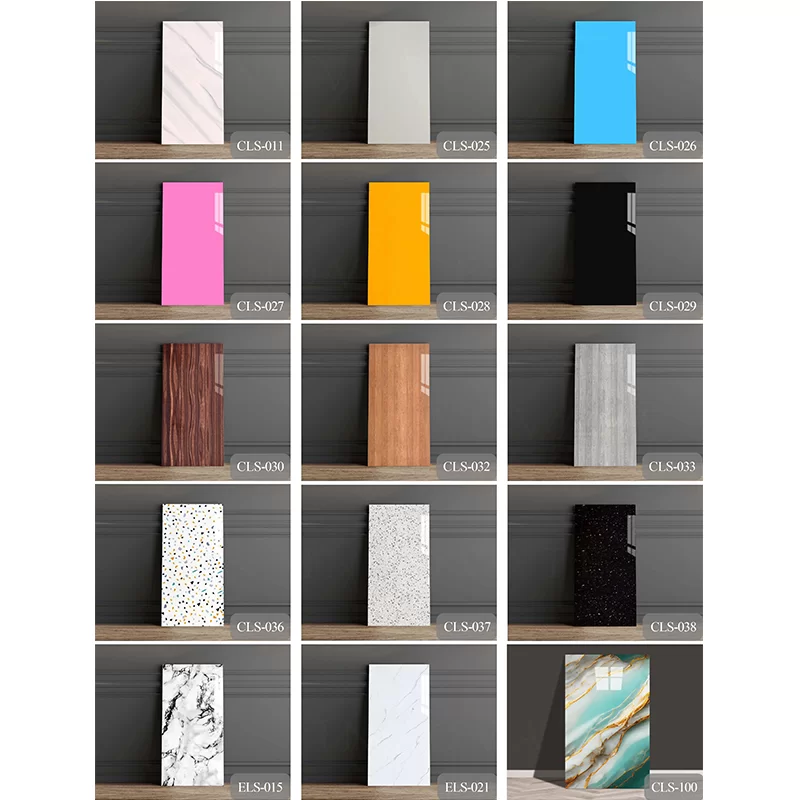
In densely populated metropolitan areas, noise pollution has become a critical concern, driving a surge in demand for the Soundproof panel. Developers are no longer viewing acoustic insulation as a luxury but as a fundamental requirement for residential wellbeing in high-density districts.

Moreover, the industrial sector is upgrading its infrastructure using precision-engineered Extrusion profile systems. These components are essential for creating airtight seals in window frames and facade systems, preventing the devastating effects of frost heave and condensation in Siberian regions.
Evolution of Russian Building Material Technology

From traditional Soviet-era concrete to high-performance composite envelopes.

Market Development History

Between 1960 and 1990, the Russian market relied heavily on prefabricated concrete panels with minimal insulation, focusing on speed of construction over energy efficiency. This led to significant heat loss during the winter months.

From 2000 to 2015, a transition occurred as Western standards for energy efficiency were adopted. This era saw the introduction of multi-chamber Insulated glass and early-stage polymer composites to replace decaying wooden frames.

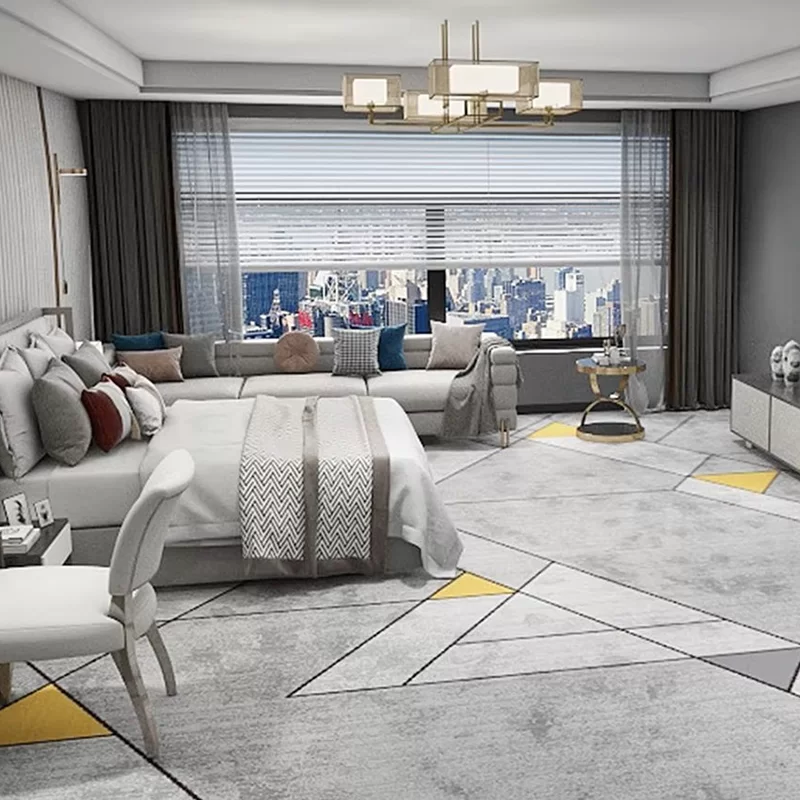
Since 2016, the focus has shifted toward "Green Building" and smart materials. The integration of high-density Indoor flooring with integrated underfloor heating systems has become the standard for luxury and sustainable residential projects.

Future Development Trends

Phase-Change Material (PCM) Integration

Integration of PCMs into wall systems to store heat during the day and release it at night, reducing dependence on central heating.

Vacuum Insulated Glass (VIG)

Moving beyond standard double-glazing to vacuum technology to achieve R-values comparable to solid walls without sacrificing transparency.

Circular Economy in Non-Metallic Minerals

A shift toward 100% recyclable mineral wool and polymer profiles to meet tightening environmental regulations in the region.

Future Trends and Strategic Outlook

Predicting the trajectory of non-metallic building materials based on search trends and climate data.

Extreme Thermal Optimization
Developing materials that maintain structural integrity at -50°C while preventing internal condensation.
Acoustic Comfort Engineering
Integrating sound-absorbing minerals into residential panels to mitigate urban noise pollution.
Modular Construction Shift
Moving toward rapid-deploy prefab panels to reduce winter construction downtime.
Smart Mineral Composites
Developing moisture-sensing panels that alert owners to thermal bridge leaks.

Industry Outlook

Over the next 3-5 years, we anticipate a massive growth in the demand for integrated energy-saving envelopes. As Russian building codes become more stringent regarding carbon footprints, the adoption of high-performance materials will accelerate.

Google search trends indicate a rising interest in "passive house" standards within Europe and Russia, suggesting that the market will move toward a holistic approach where glass, walls, and flooring work as a single thermal unit.

Local Application Scenarios in Russia

Real-world deployments of advanced building materials in various Russian environments.

1. High-Rise Residential in Moscow

Installation of the Soundproof panel in luxury apartments to isolate living spaces from the heavy traffic noise of the Third Ring Road.

2. Industrial Warehouses in Novosibirsk

Deployment of heavy-duty Exterior wall panel systems to maintain stable internal temperatures for sensitive equipment during -40°C winters.

3. Commercial Office Hubs in Saint Petersburg

Utilizing triple-pane Insulated glass to maximize natural light while preventing heat loss in the damp, windy Baltic climate.

4. Modern Public Infrastructure (Airports)

Using precision Extrusion profile aluminum-mineral hybrids for massive curtain walls that withstand high wind loads.

5. Luxury Chalets in the Ural Mountains

Implementation of high-thermal-resistance Indoor flooring coupled with radiant heating for maximum comfort in alpine settings.

Brand Story

Global Development History of Shanghai Xinshengyuan International Trade Co., Ltd.

Foundational Excellence

Established with a vision to bridge the gap between advanced material science and practical architectural needs in the non-metallic mineral sector.

Technological Breakthroughs

Developing proprietary mineral composite formulas that outperform traditional materials in extreme thermal conductivity tests.

European Market Entry

Expanding operations into the European and Russian markets, tailoring products to meet strict GOST and EU energy certifications.

Sustainable Innovation

Investing in carbon-neutral manufacturing processes to provide eco-friendly building solutions for the next generation of cities.

Global Leadership

Today, we stand as a trusted partner for architects and developers worldwide, solving the toughest thermal and acoustic challenges.

Common Questions for Russian Construction Projects

Expert answers to the most frequent technical queries regarding material selection.

How does Insulated glass perform in temperatures below -30°C?

Our advanced Insulated glass uses argon-filled chambers and low-E coatings to prevent thermal shock and minimize heat transfer even in extreme Siberian winters.

Can a Soundproof panel be installed over existing walls in old Moscow buildings?

Yes, our panels are designed for both new construction and retrofitting, providing a high STC rating without requiring complete wall demolition.

What is the thermal resistance of your Exterior wall panel?

Our Exterior wall panel utilizes high-density mineral cores that meet and exceed regional energy efficiency standards, significantly reducing heating costs.

Are Extrusion profile systems resistant to corrosion in humid coastal regions?

Absolutely. Our profiles are treated with an advanced anodic layer that protects against salt-spray and humidity, ideal for Saint Petersburg's environment.

Is Indoor flooring compatible with high-wattage electric underfloor heating?

Yes, our Indoor flooring is engineered with high thermal conductivity and dimensional stability, preventing warping when used with radiant heat systems.

What certifications do these materials hold for the Russian market?

All our products are tested against international ISO standards and are compatible with regional GOST requirements for fire safety and thermal performance.

Partner with the Experts in Thermal Engineering

Ready to upgrade your infrastructure in Russia? Our technical team is available to provide customized specifications for your project.

Contact Us Now

If you are interested in our products, you can choose to leave your information here, and we will be in touch with you shortly.