Advanced Exterior wall panel Solutions for Rwanda’s Urban Expansion

Advanced Exterior wall panel Solutions for Rwanda's Urban Expansion

Integrating high-performance thermal insulation and acoustic engineering to redefine sustainable construction across Rwanda's evolving architectural landscape.

Advanced Exterior wall panel Solutions for Rwanda's Urban Expansion

Providing Rwanda's construction sector with cutting-edge building envelopes that combine structural integrity with superior energy efficiency and acoustic control.

Construction Material Landscape in Rwanda

Analyzing the shift from traditional masonry to engineered building components in Kigali and beyond.

Rwanda's construction industry is currently undergoing a rapid transformation, driven by the "Vision 2050" urban development goals. While traditional bricks and mortar have dominated the landscape, the rising demand for commercial hubs in Kigali has highlighted a critical need for Insulated glass to combat solar heat gain in tropical highlands.

The geographical diversity of Rwanda, ranging from mountainous terrain to savannahs, creates varied thermal stresses on buildings. Currently, there is a significant gap in the availability of specialized Extrusion profile systems that can support modern curtain walls, leading to an increased reliance on expensive imports from neighboring East African hubs.

Furthermore, as the hospitality and corporate sectors grow, the necessity for internal environmental control has surged. The market is shifting toward integrated solutions where Soundproof panel installations are becoming standard for hotels and government offices to ensure privacy and productivity in dense urban centers.

Evolution and Technical Trajectory of Building Materials

From artisanal clay production to precision-engineered non-metallic mineral products.

Market Development History

Between 2000 and 2010, Rwanda's construction focused primarily on basic shelter and infrastructure, utilizing locally sourced clay and timber. During this phase, thermal and acoustic insulation were largely ignored, resulting in buildings with poor energy efficiency.

From 2011 to 2020, the "Green City Kigali" initiative catalyzed a shift toward sustainable materials. This era saw the introduction of industrial-grade Indoor flooring options that replaced traditional cement screeds with durable, low-maintenance mineral-based composites.

Post-2021, the focus has pivoted toward "Smart Building" envelopes. The integration of composite mineral panels and advanced glazing has allowed architects to design buildings that maintain stable internal temperatures without excessive reliance on mechanical cooling.

Future Development Trends

Modular Mineral Composites

The trend is moving toward prefabricated modular units that reduce on-site waste and construction time, utilizing precision-engineered mineral cores for maximum strength.

Passive Thermal Regulation

Increased adoption of high-reflectivity coatings and gas-filled glazing to minimize the urban heat island effect in Rwanda's growing cities.

Acoustic Zoning Engineering

A shift from simple sound blocking to strategic acoustic zoning, utilizing variable-density panels to optimize sound absorption in multi-use complexes.

Future Outlook of Non-Metallic Building Materials

Predicting the next 5 years of architectural innovation in the Rwandan market.

Net-Zero Carbon Materials
Transitioning to mineral-based products with low embodied energy to align with Rwanda's climate goals.
Smart Thermal Glazing
Adoption of dynamic glass that adjusts transparency based on Rwanda's intense sunlight cycles.
Prefabricated Envelopes
Reducing construction timelines via factory-precision mineral wall systems.
Bio-Mineral Flooring
Next-gen flooring combining mineral durability with sustainable organic binders.

Industry Outlook

Google search trends for "sustainable building materials in Africa" show a 40% increase in queries originating from the East African region. This indicates a shift in consumer behavior toward energy-efficient structures that lower long-term operational costs.

In Rwanda, the integration of high-performance minerals in building facades is expected to become a regulatory requirement for new commercial developments to meet the national green building standards by 2027.

Localized Application Scenarios in Rwanda

Real-world implementation of high-performance mineral building components.

01. Kigali Corporate Office Hubs

Utilizing Insulated glass and aluminum frames to reduce air conditioning costs in high-rise buildings within the central business district.

02. Luxury Eco-Lodges in Volcanoes National Park

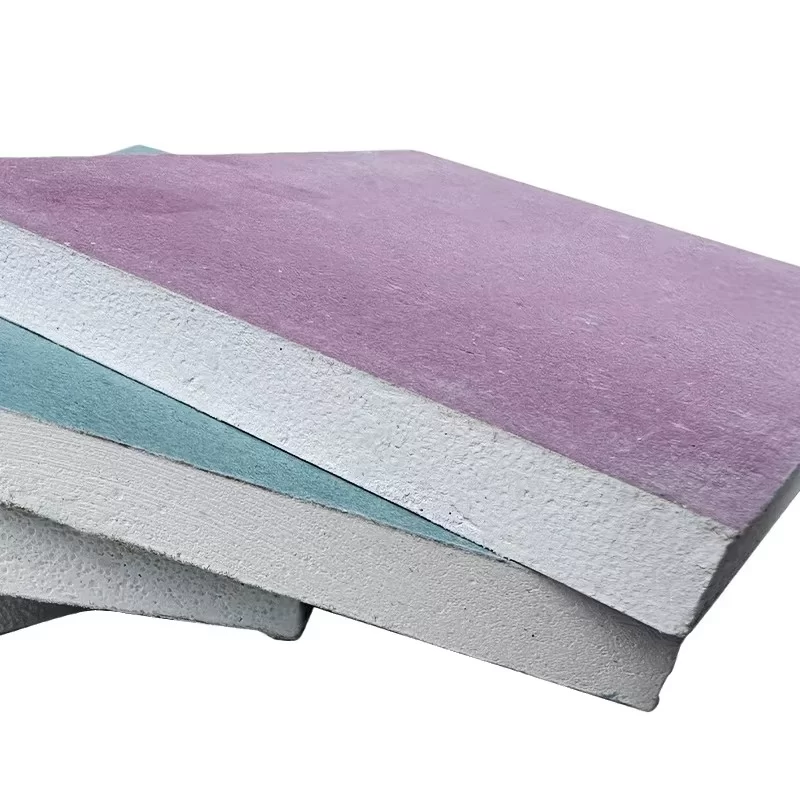
Applying Exterior wall panel systems that blend with the natural landscape while providing critical thermal protection against mountain chills.

03. Government Administrative Centers

Installation of Soundproof panel arrays in conference halls to ensure high-fidelity acoustic environments for international diplomacy.

04. Modern Residential Complexes

Integrating high-traffic Indoor flooring that resists humidity and wear, ideal for the Rwandan climate and family usage.

05. Industrial Warehousing in Bugesera

Using custom Extrusion profile components for rapid assembly of large-span structures with optimized ventilation.

Brand Story

Global Development Journey of Shanghai Xinshengyuan International Trade Co., Ltd.

Foundation & Vision

Established with a mission to bridge the gap between advanced material science and practical architectural application in emerging markets.

Technological Breakthrough

Developing proprietary mineral-based extrusion processes that allow for higher precision and better thermal conductivity coefficients.

African Market Entry

Expanding operations into Rwanda to solve the specific pain point of energy-inefficient building envelopes in the East African region.

Sustainability Commitment

Implementing a closed-loop supply chain for mineral products to reduce the environmental footprint of urban construction.

Global Leadership

Becoming a trusted partner for Rwanda's top architectural firms by delivering E-E-A-T compliant building material solutions.

Common Inquiries on Rwanda's Building Materials

Expert answers to technical challenges in the local construction sector.

How do Soundproof panel installations perform in Kigali's humid climate?

Our panels are engineered with moisture-resistant mineral cores that prevent mold growth and maintain acoustic absorption levels even in high-humidity environments.

What is the thermal efficiency of Insulated glass for Rwanda's highlands?

Our double-glazed units utilize Low-E coatings specifically tuned to block infrared heat while allowing natural light, reducing interior temperatures by up to 5-8 degrees Celsius.

Can Exterior wall panel systems replace traditional masonry in Rwanda?

Yes, our composite panels provide equivalent structural strength with significantly lower weight, reducing foundation costs and speeding up construction timelines.

Are Extrusion profile components compatible with local Rwandan aluminum standards?

Our profiles are manufactured to international ISO standards, ensuring seamless integration with most standard architectural hardware used in East Africa.

Which Indoor flooring material is best for high-traffic commercial spaces in Rwanda?

We recommend our high-density mineral composite flooring, which offers superior abrasion resistance and is easy to sanitize, making it ideal for hospitals and malls.

What is the maintenance cycle for mineral-based facades in Rwanda?

Due to the UV-stable nature of our mineral coatings, basic cleaning every 12-24 months is usually sufficient to maintain aesthetic and functional performance.

Consult Our Material Experts

Ready to upgrade your construction project in Rwanda with high-performance building materials? Our technical team is here to assist you.

Contact Us Now

If you are interested in our products, you can choose to leave your information here, and we will be in touch with you shortly.