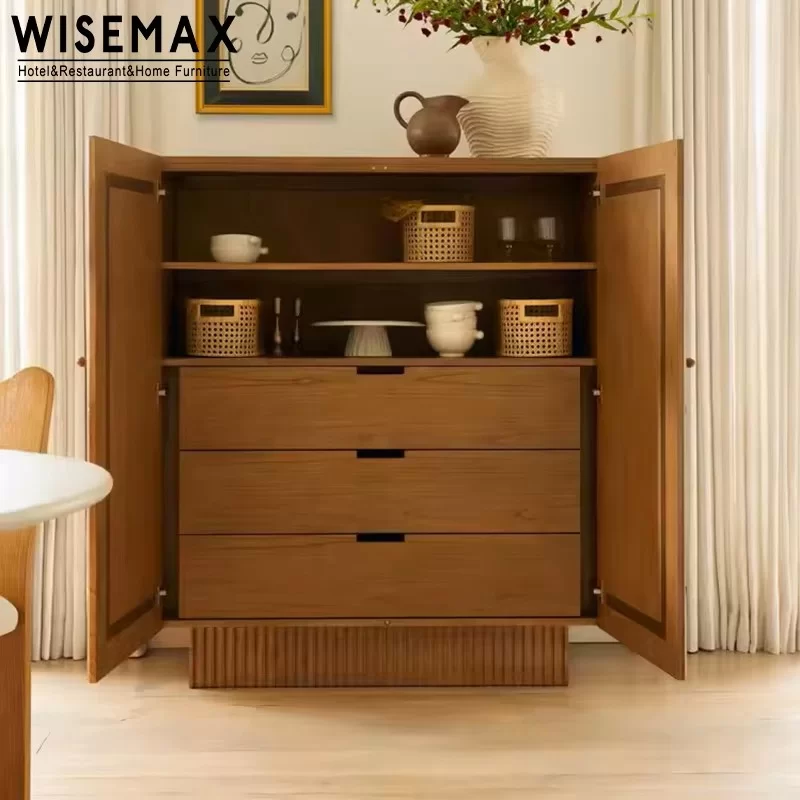
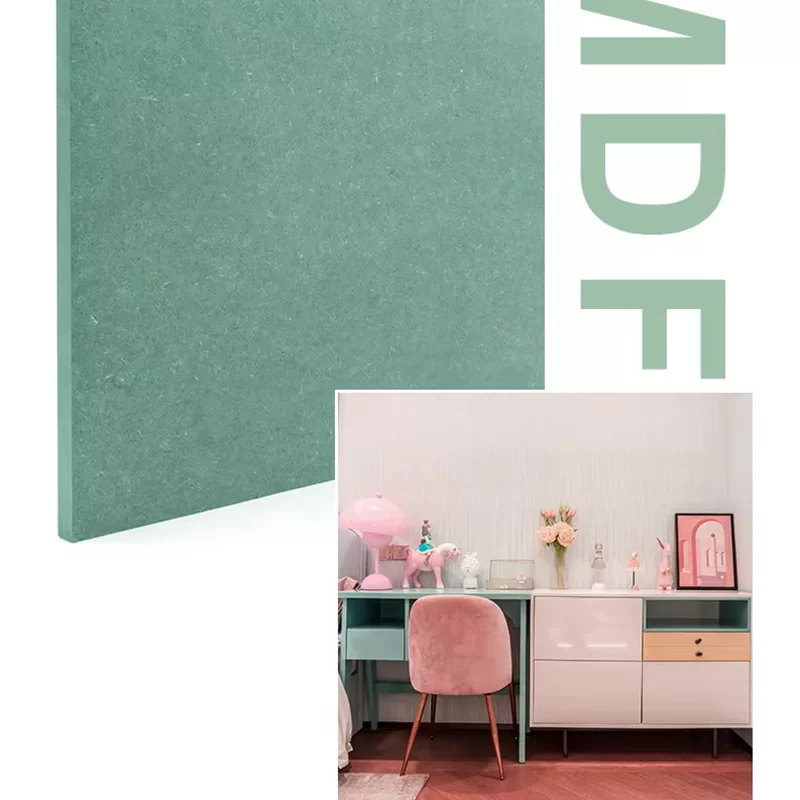
Premium Insulated glass Solutions for New Zealand Architecture

Premium Insulated glass Solutions for New Zealand Architecture

Integrating high-performance thermal efficiency and acoustic control to meet the rigorous standards of the New Zealand building code.

Premium Insulated glass Solutions for New Zealand Architecture

Our specialized range of non-metallic mineral building materials provides the ultimate balance of structural integrity and energy efficiency for diverse Kiwi climates.

Building Material Landscape in Oceania - New Zealand

Addressing the challenges of seismic activity and maritime weather through advanced material science.

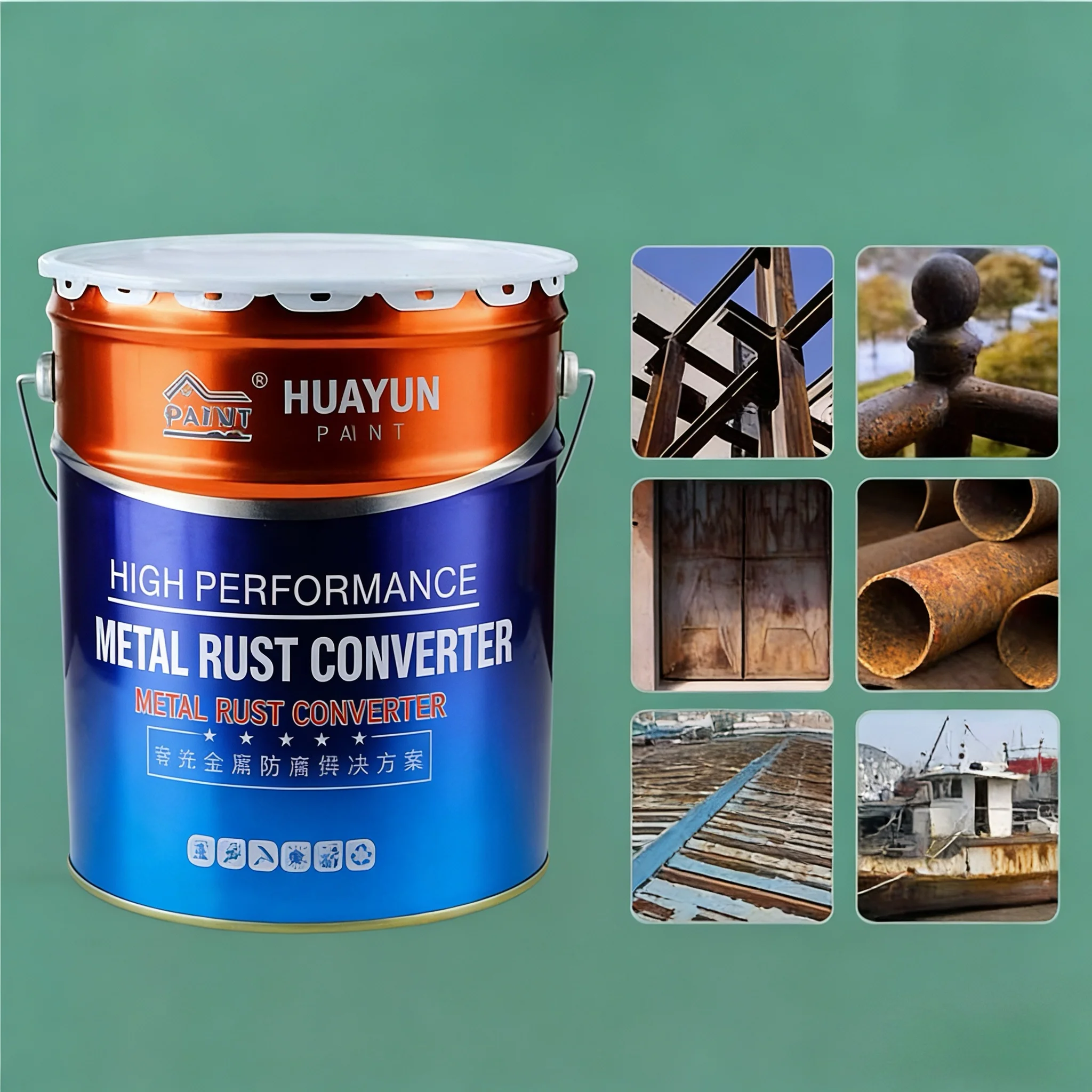
The New Zealand construction market is currently defined by a strict adherence to the H1 Energy Efficiency requirements. With a focus on reducing carbon footprints, there is a surging demand for high-performance Exterior wall panel systems that can withstand extreme coastal salt spray and high UV exposure.

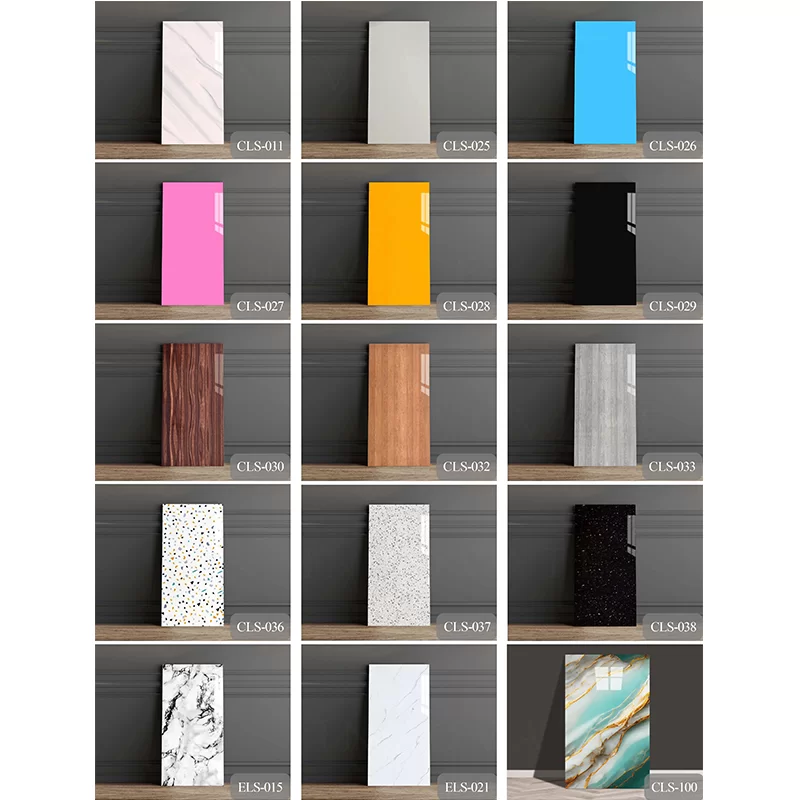
Urban density in cities like Auckland and Wellington has intensified the need for acoustic privacy. This has led to the widespread integration of the Soundproof panel in multi-unit residential developments to mitigate noise pollution in high-density living zones.

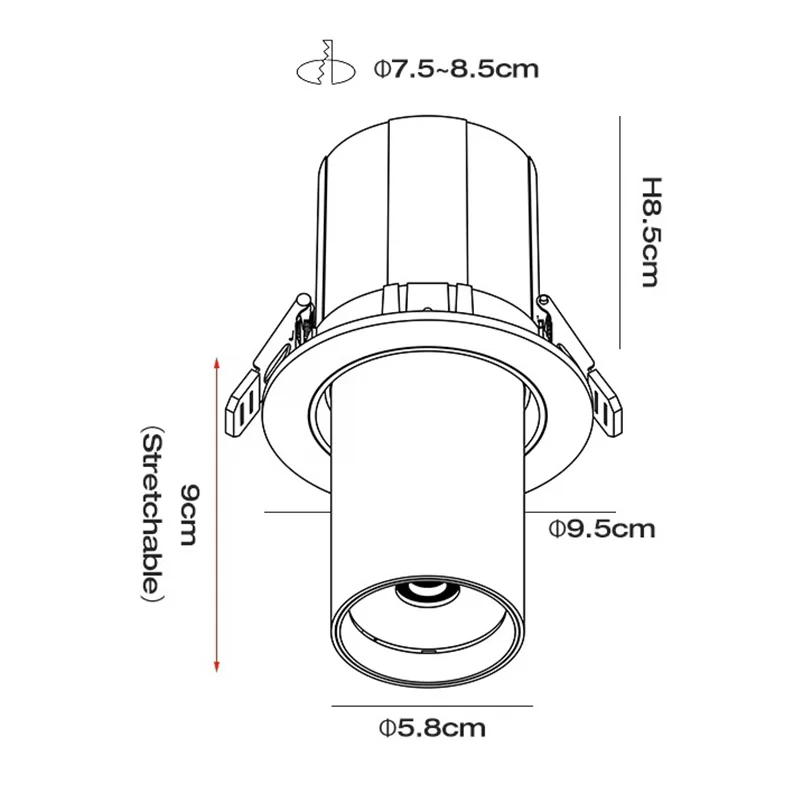
Furthermore, the shift towards prefabricated modular housing requires precision-engineered components. The use of high-strength Extrusion profile allows for faster assembly times while maintaining the structural resilience necessary for the region's seismic zones.
Evolution of Mineral Building Materials in NZ

From traditional timber and concrete to high-tech composite mineral solutions.

Market Development History

In the late 20th century, New Zealand relied heavily on native timber and basic concrete. However, the limitations in thermal insulation became apparent during the colder Southern winters, leading to a gradual shift toward mineral-based composites.

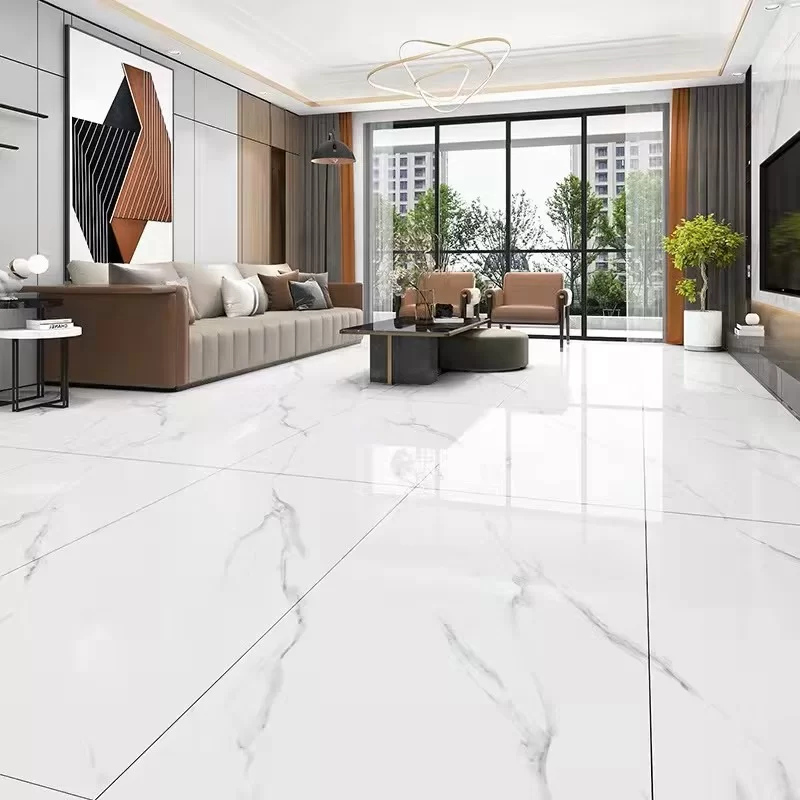
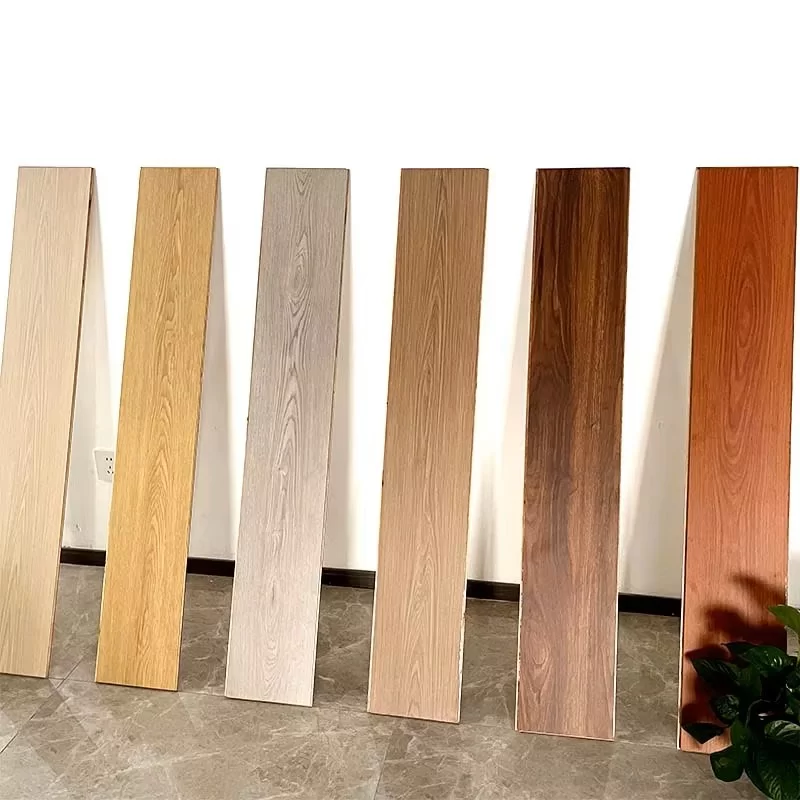
Between 2010 and 2020, the industry saw a technological leap with the introduction of advanced Indoor flooring options that combined durability with thermal mass, moving away from traditional carpets to more sustainable mineral-based alternatives.

By 2023, the integration of smart materials became the standard. The evolution focused on "Passive House" principles, where the synergy between glazing and wall insulation became critical for energy independence.

Future Development Trends

Carbon-Negative Mineral Composites

We expect a transition toward materials that sequester carbon during the manufacturing process, aligning with NZ's 2050 net-zero goals.

Dynamic Thermal Adaptation

The next generation of glazing will likely include photochromic layers that adjust transparency based on solar intensity to optimize internal temperatures.

AI-Driven Precision Extrusion

Manufacturing will shift toward AI-optimized geometries to reduce material waste while increasing the load-bearing capacity of structural profiles.

Industry Trends and Future Outlook

Strategic foresight into the non-metallic mineral products sector in the Oceania region.

Thermal Performance Optimization
Increasing R-values through advanced mineral vacuum insulation to exceed H1 standards.
Modular System Integration
Standardizing components for rapid-deployment housing to solve the housing crisis.
Seismic Resilience Engineering
Developing flexible mineral bonds that absorb kinetic energy during earthquakes.
Circular Material Economy
Implementing 100% recyclable mineral substrates for end-of-life building disassembly.

Industry Outlook

Based on Google search trends in Oceania, there is a significant uptick in queries regarding "sustainable insulation" and "acoustic retrofitting." This indicates a market shift from new construction toward the energy-efficient upgrading of existing heritage buildings.

The synergy between non-metallic minerals and smart sensors will likely create "responsive" walls that can regulate humidity and temperature autonomously, reducing the reliance on HVAC systems in the New Zealand market.

Local Application Scenarios in New Zealand

Real-world implementations of our advanced building materials across the North and South Islands.

01. Luxury Lakeside Retreats in Queenstown

Utilizing Insulated glass and high-thermal mass mineral walls to maintain warmth against alpine temperatures while offering panoramic views.

02. High-Density Apartments in Auckland CBD

Installation of advanced Soundproof panel systems to ensure acoustic isolation between units in high-traffic urban environments.

03. Coastal Commercial Hubs in Tauranga

Deploying salt-resistant Exterior wall panel solutions that prevent corrosion and maintain aesthetic integrity in maritime conditions.

04. Modern Educational Campuses in Christchurch

Integrating precise Extrusion profile frameworks for rapidly deployable, earthquake-resilient modular classrooms.

05. Sustainable Eco-Villages in Northland

Applying low-VOC, mineral-based Indoor flooring to create healthy, hypoallergenic living spaces integrated with nature.

Brand Story

Global Development Journey of Shanghai Xinshengyuan International Trade Co., Ltd.

Foundation & Vision

Established with a mission to bridge the gap between industrial mineral innovation and practical architectural application globally.

Technical Breakthroughs

Developed proprietary mineral composite formulas that solved the common trade-off between structural strength and thermal insulation.

Oceania Market Entry

Customized our product line to meet the stringent NZ Building Code, focusing on moisture resistance and seismic stability.

Sustainable Pivot

Invested in green manufacturing to ensure all non-metallic mineral products meet the highest environmental certifications.

Global Leadership

Now recognized as a leading supplier of high-performance architectural components for energy-efficient cities worldwide.

Frequently Asked Questions - NZ Market

Technical guidance on implementing non-metallic mineral materials in New Zealand.

How does the soundproof panel meet NZ building acoustic standards?

Our panels are engineered to provide a high STC (Sound Transmission Class) rating, specifically designed to meet the acoustic requirements for multi-unit dwellings in New Zealand urban centers.

Are these insulated glass units compatible with extreme UV in Oceania?

Yes, our glazing incorporates specialized low-E coatings and argon gas fills that reflect high UV radiation while maintaining internal thermal stability.

Can the exterior wall panel withstand high seismic activity?

Our panels use a flexible mineral-matrix binder that allows for micro-movements during seismic events without compromising the structural envelope.

What is the lifespan of an extrusion profile in coastal environments?

Due to the non-metallic mineral composition, our profiles are immune to salt-air corrosion, offering a lifespan that significantly exceeds traditional treated metals.

Is the indoor flooring sustainable according to NZ green building codes?

Absolutely. Our flooring is made from recycled mineral content and is free from volatile organic compounds (VOCs), aligning with Green Star NZ certifications.

Do these materials help in achieving H1 Energy Efficiency compliance?

Yes, the combined R-value of our wall and glazing systems is specifically calibrated to help developers meet the latest H1 thermal performance requirements.

Ready to Upgrade Your Build?

Consult with our experts to implement high-performance mineral building solutions across New Zealand.

Contact Us Now

If you are interested in our products, you can choose to leave your information here, and we will be in touch with you shortly.