HighPerformance Insulated glass Solutions for Bolivia’s Diverse Climate

  • Home
  • Global Service
  • HighPerformance Insulated glass Solutions for Bolivia’s Diverse Climate

High-Performance Insulated glass Solutions for Bolivia's Diverse Climate

Advanced architectural building materials engineered to withstand the extreme altitude and temperature fluctuations of the Bolivian highlands and tropical lowlands.

High-Performance Insulated glass Solutions for Bolivia's Diverse Climate

Integrating cutting-edge non-metallic mineral products to provide superior thermal insulation, acoustic control, and structural durability for the modern Bolivian construction sector.

The Current State of Building Materials in Bolivia

Addressing the challenge of thermal efficiency in the Andean and Amazonian regions.

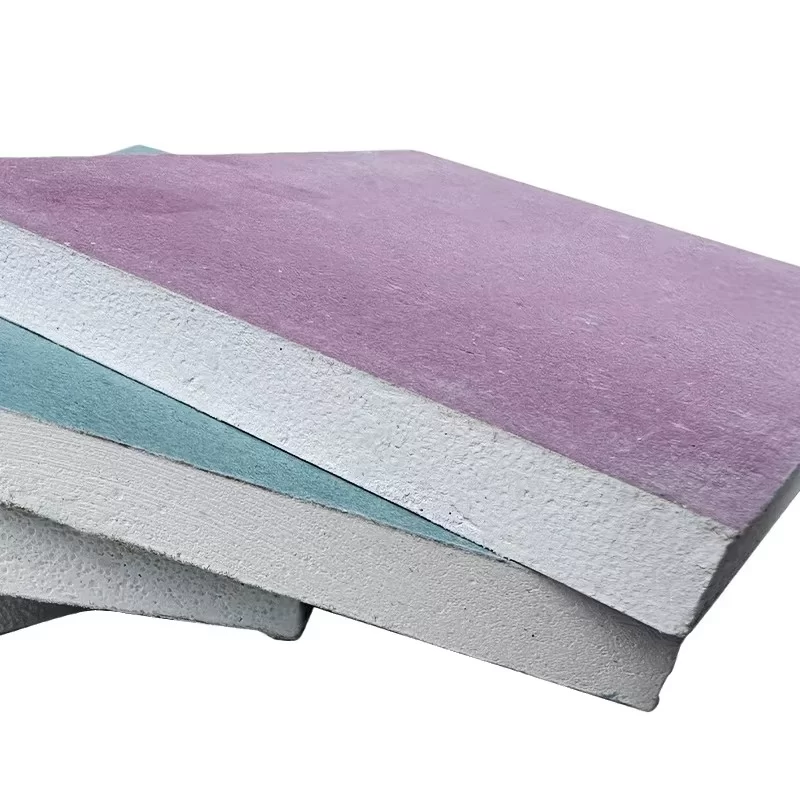
Bolivia presents a unique challenge for the construction industry due to its extreme topographical variance. In La Paz and Potosí, the high altitude leads to intense UV radiation and rapid temperature drops, making the demand for high-quality Exterior wall panel systems critical for maintaining indoor warmth.

In contrast, the tropical lowlands of Santa Cruz require materials that can resist high humidity and heat. Traditional masonry is being replaced by modern Extrusion profile aluminum and PVC systems that offer better longevity and lower maintenance in corrosive tropical environments.

Currently, the market is shifting toward energy-efficient urban developments. There is a growing necessity for Soundproof panel installations in bustling city centers to combat noise pollution, reflecting a transition toward higher living standards and sustainable urban planning.
Evolution of Architectural Materials in Bolivia

From traditional adobe to high-tech composite building solutions.

Market Development History

Until the late 20th century, Bolivian construction relied heavily on local clay and stone. However, the 1990s saw an influx of standardized concrete and basic steel frames, which improved speed but failed to address the thermal bridging issues inherent in high-altitude climates.

Between 2010 and 2020, the industry witnessed a technical pivot toward "Green Building." The introduction of specialized Indoor flooring materials like high-density laminates and engineered minerals began to replace basic tiling to improve thermal comfort in residential zones.

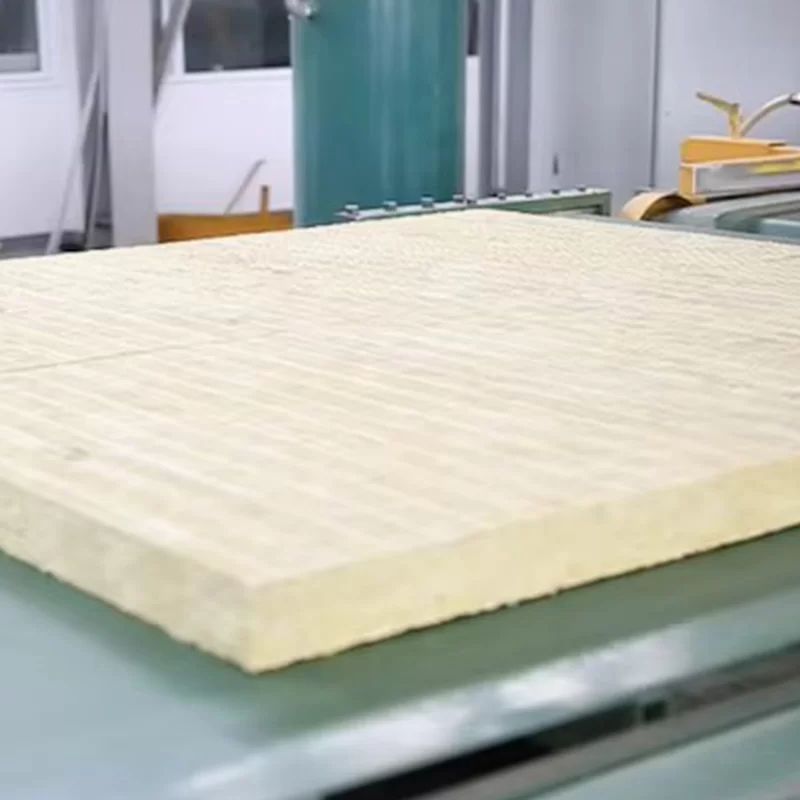
Today, the market has entered the era of integrated systems. The synergy between high-performance glass and mineral-based insulation panels has become the standard for commercial hubs in Santa Cruz and La Paz, focusing on reducing the carbon footprint of HVAC systems.

Future Development Trends

Smart Thermal Regulation

Integration of phase-change materials within wall panels to automatically absorb and release heat based on the daily temperature swings of the Altiplano.

Sustainable Bio-Composites

A shift toward non-metallic minerals combined with organic waste to create eco-friendly insulation that meets strict international LEED certifications.

Acoustic Urbanism

Increasing adoption of modular acoustic systems to create "quiet zones" in rapidly expanding metropolitan areas through advanced cellular structures.

Industry Trends and Future Outlook

Predicting the trajectory of non-metallic mineral construction in the region.

Energy Efficiency Optimization
Focusing on reducing heat loss in highland regions through advanced vacuum-insulated glazing.
Modular Fast-Build Systems
Adoption of prefabricated mineral panels to accelerate infrastructure development in remote areas.
Acoustic Comfort Standards
Implementing stringent decibel-reduction requirements in high-density residential complexes.
UV Radiation Protection
Specialized mineral coatings to prevent material degradation under intense Andean sunlight.

Industry Outlook

Google Search trends for "Sustainable Architecture Bolivia" show a 25% year-on-year increase, indicating that architects are actively seeking non-traditional mineral building materials. We expect a surge in demand for integrated facade systems that combine thermal and acoustic properties.

The synergy of local mineral resources and imported precision technology will likely lead to the creation of "Hybrid-Build" projects, where high-tech components like specialized glazing are paired with local sustainable substrates.

Localized Application Scenarios in Bolivia

Real-world implementations across Bolivia's varied geography.

01. High-Altitude Residential Comfort (La Paz)

Utilizing Exterior wall panel systems with high R-values to protect homes from freezing night temperatures in the Altiplano.

02. Modern Commercial Hubs (Santa Cruz)

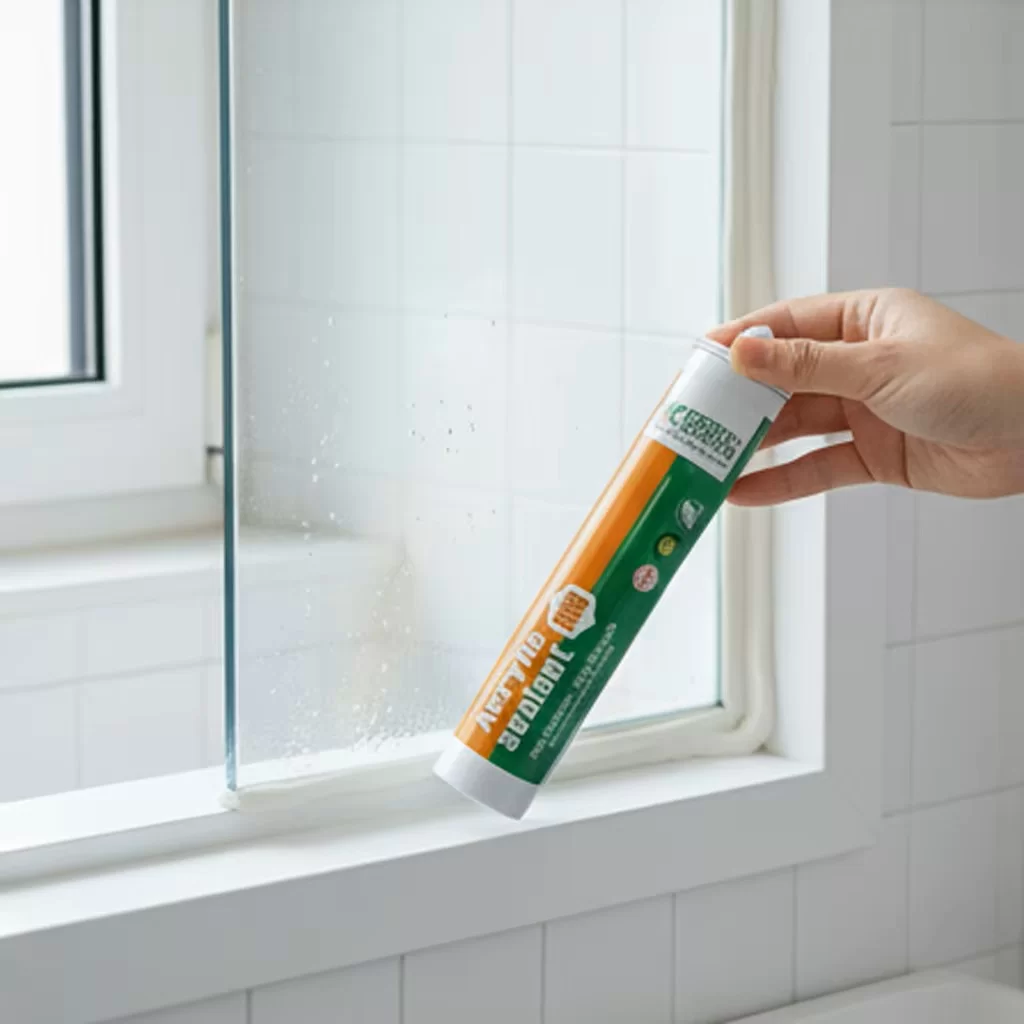
Installation of high-performance Insulated glass to reduce solar heat gain and lower electricity costs for air conditioning in tropical offices.

03. Urban Audio-Shielding (El Alto)

Implementing Soundproof panel solutions for recording studios and home offices in densely populated urban zones.

04. Industrial Warehouse Infrastructure (Cochabamba)

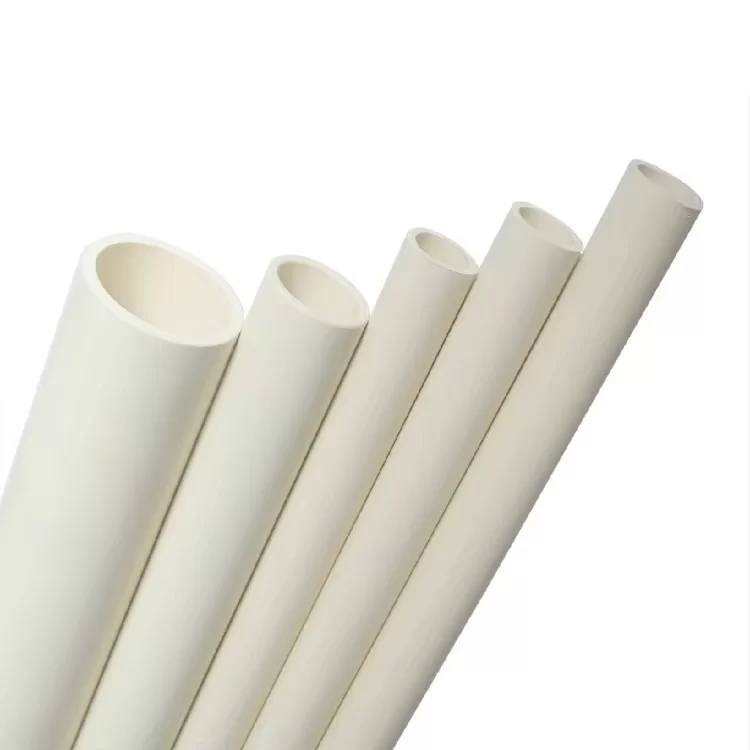
Using precision Extrusion profile frameworks for durable, weather-resistant industrial partitions and structural supports.

05. Luxury Boutique Hotels (Uyuni)

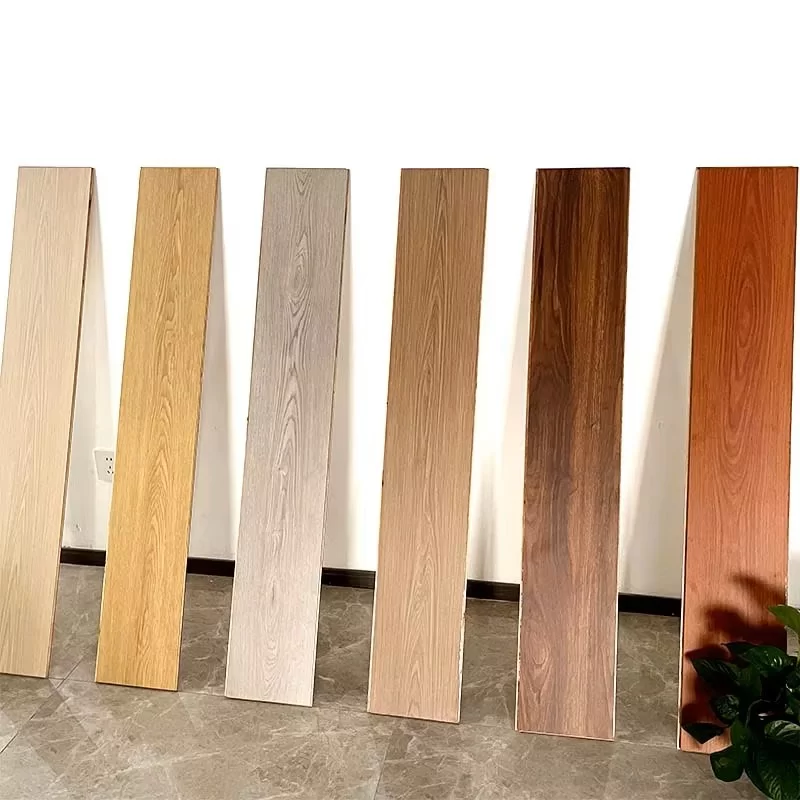
Applying specialized Indoor flooring that provides thermal insulation from the cold salt-flat ground, ensuring guest comfort.

Brand Story

Global Development Journey of Shanghai Xinshengyuan International Trade Co., Ltd.

Founding Vision

Established with the mission to bridge the gap between advanced mineral science and practical construction needs across the globe.

Technical Innovation

Developing proprietary manufacturing processes for non-metallic mineral composites to solve the pain point of material fragility.

Market Expansion

Expanding our footprint into South America, bringing precision-engineered building components to the Bolivian market.

Quality Standardization

Achieving international certifications to ensure that every panel and profile meets the most rigorous safety and thermal standards.

Future Commitment

Dedicated to creating carbon-neutral building solutions that harmonize modern architecture with environmental preservation.

Frequently Asked Questions for the Bolivian Market

Technical guidance and local implementation support.

How do soundproof panels perform in high-altitude cities like La Paz?

Our panels are engineered with density-controlled mineral cores that maintain acoustic absorption properties regardless of atmospheric pressure changes common in high altitudes.

Can insulated glass withstand the high UV index of the Bolivian Altiplano?

Yes, our glass units include a specialized UV-reflective coating that prevents interior fading and reduces solar heat gain without sacrificing natural light.

What is the best exterior wall panel for tropical humidity in Santa Cruz?

We recommend our non-porous mineral composite panels, which resist mold growth and moisture penetration in high-humidity environments.

How do extrusion profiles help in reducing building costs?

Precision profiles allow for faster installation and reduced waste, significantly lowering labor costs and assembly time on construction sites.

Is indoor flooring thermal insulation necessary for Bolivian homes?

Absolutely. High-density mineral flooring prevents cold bridging from the ground, reducing the need for electrical heating in highland regions.

Are these building materials compliant with Bolivian construction codes?

Our products meet and exceed international ISO and ASTM standards, which are widely accepted and encouraged by modern Bolivian architectural regulations.

Consult Our Technical Experts

Looking for tailored building solutions for your project in Bolivia? Our engineers are ready to help you optimize your architectural performance.

Contact Us Now

If you are interested in our products, you can choose to leave your information here, and we will be in touch with you shortly.