Advanced Insulated glass Solutions for Austria’s Sustainable Architecture

  • Home
  • Global Service
  • Advanced Insulated glass Solutions for Austria’s Sustainable Architecture

Advanced Insulated glass Solutions for Austria's Sustainable Architecture

Integrating high-performance thermal insulation and acoustic precision to meet the rigorous energy standards of the Austrian Alpine and Urban environments.

Advanced Insulated glass Solutions for Austria's Sustainable Architecture

We provide a comprehensive suite of non-metallic mineral building materials designed to enhance energy efficiency and structural longevity in the unique climatic conditions of Austria.

Current State of Building Material Manufacturing in Austria

Analyzing the intersection of Alpine climate demands and European energy directives.

Austria's construction sector is currently driven by the "Climate Neutrality 2040" goal, necessitating a shift toward high-performance materials. The demand for Exterior wall panel systems has surged as the government mandates stricter U-value requirements to combat extreme winter temperatures in regions like Tyrol and Salzburg.

In urban centers like Vienna, the focus has shifted toward acoustic comfort and spatial optimization. This has led to an increased adoption of Soundproof panel technology in residential retrofitting projects to mitigate noise pollution from dense traffic corridors.

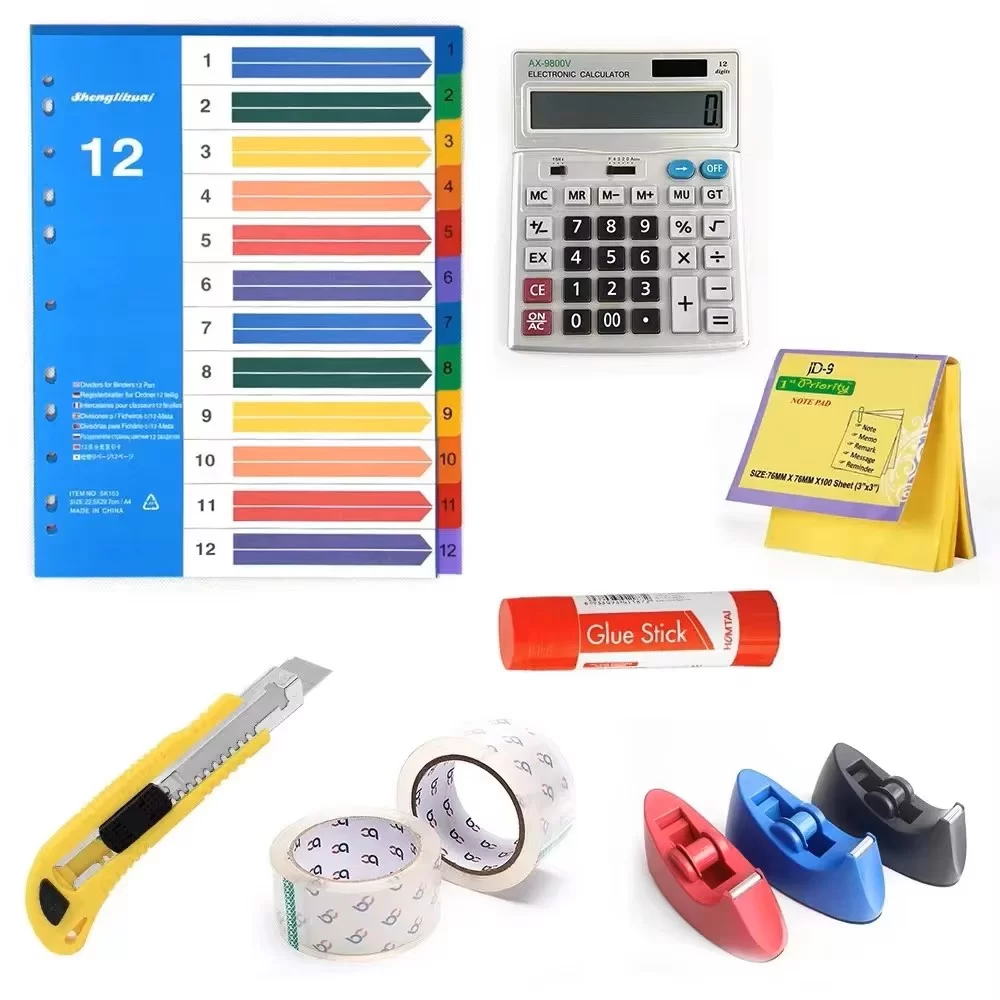
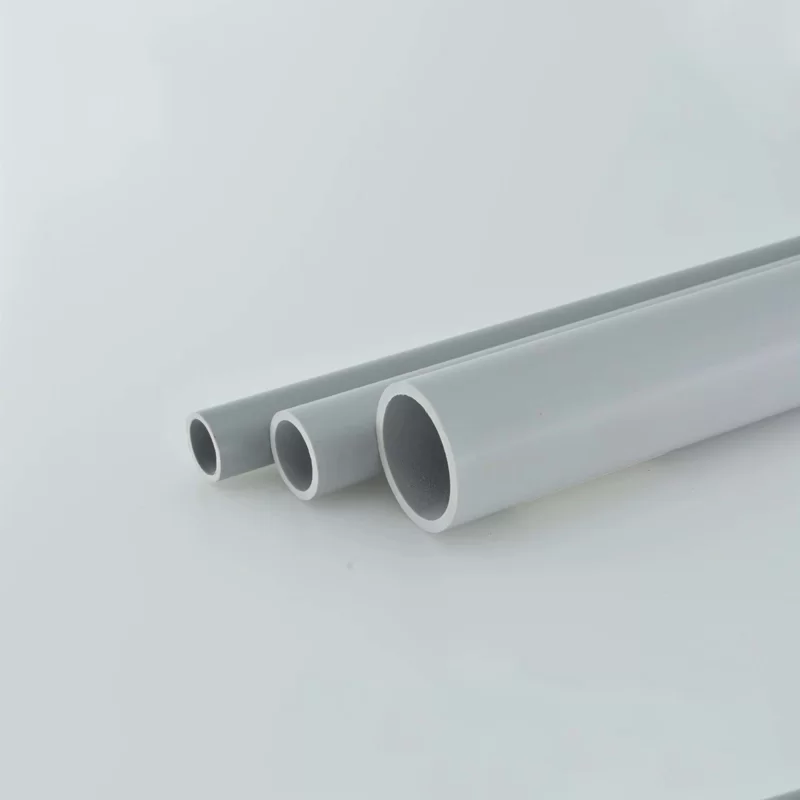
Furthermore, the industry is seeing a transition from traditional masonry to modular components. The integration of precision Extrusion profile systems allows for faster assembly and better airtightness, reducing the overall carbon footprint of the building lifecycle.
Evolution of Construction Materials in the Austrian Market

From traditional mineral insulators to intelligent composite systems.

Market Development History

Historically, Austria relied heavily on thick stone and timber constructions. Between 1990 and 2010, the market transitioned toward early-stage mineral wool and basic double-glazing to meet the first wave of EU energy efficiency standards.

From 2010 to 2020, the technological focus shifted toward "Passive House" standards. This era saw the refinement of Indoor flooring systems that integrated thermal mass and underfloor heating, optimizing heat distribution in cold climates.

Since 2020, the trajectory has moved toward "Smart Materials." The current phase emphasizes the use of multi-layered composites and vacuum-insulated glass, blending aesthetics with extreme thermal resistance.

Future Development Trends

Circular Economy Integration

The shift toward 100% recyclable mineral components to comply with the EU Green Deal, ensuring materials can be reclaimed after a building's decommissioning.

Dynamic Thermal Adaptation

Development of "active" panels that can adjust their thermal properties based on real-time temperature changes in the Austrian Alps.

Digital Twin Manufacturing

Using BIM (Building Information Modeling) to customize every single extrusion profile and panel for zero-waste onsite installation.

Industry Trends and Future Outlook

Predicting the next 5 years of architectural material innovation in Central Europe.

Net-Zero Certification
Increasing demand for materials with low embodied carbon to achieve LEED and DGNB certifications.
Modular Prefabrication
Transitioning from onsite pouring to factory-made precision panels for faster Alpine deployment.
Acoustic Urbanism
Advanced noise-canceling materials for high-density housing in Vienna and Graz.
Thermal Bridging Zero
Eliminating heat leaks through advanced polymer-mineral extrusion interfaces.

Industry Outlook

Google search trends for "energy-efficient renovation" in Austria have seen a 25% year-on-year increase. This indicates a massive shift toward retrofitting existing building stock with high-performance insulation and glazing.

The convergence of AI-driven design and non-metallic mineral manufacturing will likely lead to the "Self-Optimizing Envelope," where building skins are tailored to the specific micro-climate of the Austrian valley they inhabit.

Localized Application Scenarios in Austria

Real-world deployment of advanced building materials across diverse Austrian terrains.

01. Luxury Alpine Chalets in Kitzbühel

Utilizing triple-pane Insulated glass and high-density exterior panels to maintain interior warmth while resisting heavy snowfall and extreme wind loads.

02. Vienna Urban Apartment Retrofits

Implementing Soundproof panel installations in historic buildings to meet modern noise regulations without compromising structural integrity.

03. Industrial Hubs in Linz

Deployment of custom Extrusion profile frameworks for rapid-build warehouses with integrated thermal breaks.

04. Modern Office Complexes in Graz

Combining Indoor flooring with integrated heating elements to reduce reliance on HVAC systems during winter months.

05. Sustainable Tourism Resorts in Salzburg

Installation of eco-friendly Exterior wall panel systems that blend naturally with the landscape while providing superior R-value insulation.

Brand Story

Global Development Journey of Shanghai Xinshengyuan International Trade Co., Ltd.

Foundational Excellence

Established with a vision to bridge the gap between advanced mineral manufacturing and global architectural needs, focusing on high-precision building components.

Technological Expansion

Invested in state-of-the-art extrusion and glazing lines to provide customized solutions for complex climatic zones, including Central Europe.

European Market Entry

Successfully tailored product lines to meet EU CE certification and Austrian energy standards, establishing a footprint in the DACH region.

Sustainability Pivot

Transitioned to a "Green-First" manufacturing approach, reducing carbon emissions in the production of mineral-based construction materials.

Global Leadership

Now serving as a leading partner for sustainable architecture, solving the pain point of balancing thermal performance with aesthetic flexibility.

Frequently Asked Questions in Austria

Technical guidance on implementing non-metallic mineral materials in local projects.

How does your insulated glass perform in extreme Alpine winters?

Our glazing uses low-emissivity coatings and argon gas fills specifically engineered to maintain interior temperatures even when external conditions drop below -20°C.

Do the exterior wall panels meet Austrian fire safety regulations?

Yes, all our mineral-based exterior panels are non-combustible and compliant with European EN 13501-1 fire classification standards.

Can soundproof panels be installed in historic Vienna buildings?

Absolutely. Our thin-profile acoustic solutions are designed for retrofitting, allowing for significant noise reduction without altering the building's historical facade.

What is the lifespan of extrusion profiles in high-humidity environments?

Our profiles are treated with anti-corrosive mineral coatings, ensuring a lifespan of over 30 years even in the damp conditions of the Austrian lake regions.

Are your indoor flooring materials compatible with underfloor heating?

Yes, our flooring is engineered for high thermal conductivity, making it the ideal partner for hydronic heating systems common in Austrian homes.

How do I calculate the energy savings using your building systems?

We provide a detailed U-value calculation report for every combination of panels and glass to help you meet the OIB (Austrian Institute for Construction) guidelines.

Ready to Upgrade Your Building Efficiency?

Partner with the leaders in non-metallic mineral materials to transform your construction projects in Austria.

Contact Us Now

If you are interested in our products, you can choose to leave your information here, and we will be in touch with you shortly.